Malaga Food Guide 2026 — What to Eat, Where & How Much It Costs
Malaga food is not what most tourists eat. The city has an exceptional local food culture — fresh fish, proper tapas, a wine tradition that most of Spain ignores — and most visitors miss it entirely because they eat within 50 metres of Calle Larios. That's where the tourist menus live. The good food is everywhere else.
This guide covers what to actually eat, where to find it, and what things cost in 2026.
Quick Takeaways
- ✓Espetos de sardinas — sardines grilled over open fire on cane skewers — are Malaga's signature dish. Eat them at a beach chiringuito, not a restaurant in the centre.
- ✓Malaga has its own wine: Málaga Dulce (sweet) and Seco de Málaga (dry). Both are cheap and rarely found outside the province.
- ✓The best tapas areas are around Calle Granada, Plaza de la Merced and El Palo — not Calle Larios.
- ✓Mercado de Atarazanas (the central market) is the best food experience in the city. Free to enter, open weekday mornings until 2pm.
- ✓A full tapas lunch with wine costs €15–25 per person in a decent local bar. Double that in tourist areas.
- ✓Food tours and cooking classes are worth it — the guides know where to eat and the local knowledge is genuine.
| Experience | Best Option | Price | Book Ahead? |
|---|---|---|---|
| 🏆 Food walking tour | Taste of Spain Tour | From €49 | Yes — fills up |
| 💰 Cooking class | Paella & Sangria Workshop | From €65 | Yes |
| 🎯 Tapas class | Ultimate Tapas Workshop | From €55 | Recommended |
| 🍷 Local wine bar | El Pimpi | €3–5/glass | No |
Jump to: Must-Try Dishes · Tapas Bars · Street Food · Markets · Wine · Food Tours · By Budget · FAQ
Start with the dishes — because ordering the right thing matters more than the restaurant you're in.
Must-Try Dishes
Espetos de Sardinas
The definitive Malaga dish. Fresh sardines skewered on cane poles and grilled over an open wood fire in a metal boat filled with sand — a technique that's been used on these beaches for over a century. The outside chars slightly, the inside stays moist, and you eat them with your hands.
You can only eat these properly at a beach chiringuito — specifically the ones at Pedregalejo and El Palo, the beach neighbourhoods east of the centre. The chiringuitos in the city centre do espetos, but the setup (and the fish) isn't the same. Take the Line 11 bus (€1.40) and eat them where they belong.
Order espetos at lunchtime — the fish is freshest and the fire has been going for hours. Asking for "medio kilo de espetos" gets you the right amount for one person as a main course.
Pescaíto Frito (Fried Fish)
A mixed plate of fresh local fish — anchovies, squid, small sole, prawns — lightly battered and fried. Done well it's extraordinary. Done badly it's greasy and forgettable. The difference is the oil temperature and the freshness of the fish.
The best versions are at beach chiringuitos and at proper marisquerías (seafood restaurants) rather than generic restaurants that do it as a side dish.
Ajoblanco
Malaga's answer to gazpacho — a cold white soup made from almonds, bread, garlic, olive oil and sherry vinegar, usually served with grapes or melon. Smoother, richer and more interesting than its red cousin. Available in most traditional restaurants, particularly good in summer.
Porra Antequerana
A thicker, more substantial version of gazpacho from the inland town of Antequera. Served with hard-boiled egg and jamón on top. Filling, cheap, and almost never found outside Andalusia.
Both ajoblanco and porra antequerana are seasonal — they're on menus from spring through early autumn. In winter you'll mostly find cooked alternatives. The weather guide covers what's available by month.
Berenjenas con Miel de Caña
Fried aubergine strips drizzled with sugar cane molasses — a Moorish-influenced dish that's been on Malaga menus for centuries. The combination of savoury batter and sweet molasses is one of those things that sounds odd and tastes excellent. Order it as a tapa.
Boquerones en Vinagre
Raw anchovies cured in vinegar until the flesh turns white, then dressed with garlic, parsley and olive oil. Cheap, sharp, typically Spanish. Every decent tapas bar has them. Good ones use local anchovies from the Alboran Sea — you can taste the difference.
Best Tapas Bars
The rule is simple: the closer to Calle Larios, the worse the quality-to-price ratio. Walk three streets in any direction and it improves significantly.
Calle Granada & Surroundings
The best tapas street in the city centre. A mix of traditional bodegas, modern wine bars and places that have been doing the same thing since the 1970s. The quality is consistent and the prices are honest — a tapa and a drink for €3–4 is normal here.
Best spots: El Pimpi (Calle Granada 62 — touristy but earns it), Antigua Casa de Guardia (oldest bar in Malaga, wine from the barrel), Bar Orellana for anchovies.
Plaza de la Merced
The square has decent bar terraces and a local atmosphere, particularly in the evenings. Better value than the main tourist squares, good for an early evening glass before moving on.
El Palo & Pedregalejo
The beach neighbourhoods east of the city are where Malaga actually eats. The chiringuitos and local bars here are almost entirely frequented by locals — no English menus, genuine prices, and the seafood is as fresh as it gets.
Take the Line 11 bus from Paseo del Parque (€1.40). Lunch from noon onwards. Come hungry.
Any restaurant displaying a laminated "Menu del Día" in English with photos near the main shopping street is pricing for tourists — €15–20 for food that costs €8 two streets away. The same applies to the restaurants immediately around Plaza de la Constitución.
Street Food
Mercado de Atarazanas
The central covered market is the best food experience in Malaga. Built inside a 14th-century Moorish gate, the stalls sell fresh produce, local wine, cured meats, cheese and fish. The interior bars do breakfast and light lunch — coffee, fresh juice, tostas, small tapas.
Go: Weekday mornings, before noon. Closes at 2pm most days, closed Sundays. Cost: Coffee €1.50, tostada con tomate €2.50, glass of local wine from €2.
Beach Chiringuitos
Not technically street food but the closest equivalent on the seafront. Fresh fish, espetos, cold drinks. The best ones are at Pedregalejo — look for places with actual fires burning, not gas grills.
Churros & Porras
The traditional Spanish breakfast — thick fried dough dipped in hot chocolate or coffee. Available at dedicated churrerías throughout the old town. Not a meal, but exactly right at 9am before a morning of sightseeing.
Markets
Mercado de Atarazanas
Already covered above — but worth repeating that the food stalls at the back of the market sell local products worth taking home. Málaga Dulce wine, local olive oil, jamón ibérico, artisan cheese. Better quality and better prices than airport shops.
Mercado El Arenal (El Palo)
A smaller, entirely local market in the El Palo neighbourhood. Mostly fresh produce and fish. Worth visiting if you're out east for the beach — it gives a good sense of how the city actually shops.
Malaga Wine
Malaga has a DO (Denominación de Origen) wine region that most of Spain ignores. Two styles worth knowing:
Málaga Dulce — A sweet fortified wine made from Moscatel and Pedro Ximénez grapes, aged in oak. Amber-coloured, raisin and fig notes, typically served slightly chilled as an aperitivo or with dessert. About €3–4 a glass in a local bar.
Seco de Málaga — The dry white version, made from the same grapes but fermented fully. Mineral, slightly oxidised, pairs well with seafood. Less common than the sweet style but worth seeking out.
Where to try it: Antigua Casa de Guardia (Alameda Principal 18) is the oldest wine bar in Malaga and still serves wine straight from the barrel. No frills, cash only, excellent. El Pimpi on Calle Granada also has a good selection.
A glass of Málaga Dulce at Antigua Casa de Guardia is one of the cheapest and most authentic food experiences in the city. The bartenders write your tab in chalk on the bar. It's been run the same way since 1840.
Food Tours & Cooking Classes
For anyone who wants to understand Malaga food properly — rather than just eat it — a guided food tour or cooking class is worth the money. The guides know exactly where to go, which markets to visit, and how to navigate the local food culture in a few hours.
Taste of Spain Walking Food Tour
A 3-hour guided walk through the old town and market, stopping at local tapas bars, the Atarazanas market and street food spots. The tour includes food and drinks throughout — it's lunch, essentially, spread across six or seven stops. Works well as an introduction to the city on day one.
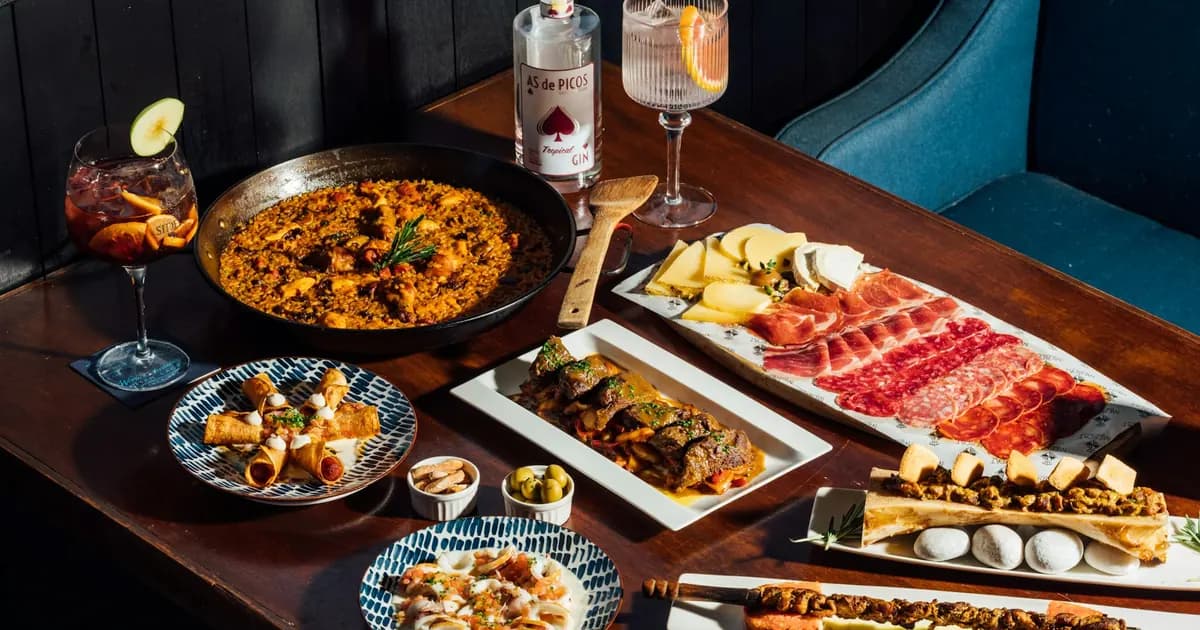
Spanish Cooking Workshop (Paella & Sangria)
A hands-on cooking class where you make paella and sangria from scratch, typically held in a central Malaga kitchen. Takes about 2.5–3 hours including eating what you've made. Good for couples and groups.
Ultimate Tapas Workshop with Market Visit
Starts at the Atarazanas market to buy ingredients, then moves to a kitchen to make traditional tapas. The market section is the highlight — you learn what to look for and how locals actually shop.
Eating by Budget
Budget (under €20/day on food): Coffee and tostada for breakfast (€4), tapas at the market at lunch (€8–10), evening tapas at a local bar (€6–8). Entirely doable and you'll eat well.
Mid-range (€30–50/day): Proper sit-down lunch with wine, evening meal with starters and a main. This is the comfortable level for eating well without thinking about it.
Splurge: Balausta at Palacio Solecio is the top option in the city — Michelin-trained kitchen, Andalusian tasting menu, book well ahead. For a special occasion it earns it.
FAQ
For a broader picture of the city — beyond the food — the complete Malaga travel guide covers everything from beaches to day trips. For where to eat in specific restaurants, the best restaurants in Malaga guide goes deeper on individual picks.