The short version
Updated September 2026- How long you need
- 2–3 days for the city; 4+ to add a day trip without rushing
- Best months
- March–May and September–October – warm, dry, far fewer crowds
- Where to stay
- Centro Histórico for the sights; La Malagueta for beach mornings
- Airport to centre
- ~12 min on the C1 train (~€2), or a fixed-price transfer from ~€25
- Do you need a car?
- No – the centre is walkable; a car only helps for inland day trips
- Book weeks ahead
- Caminito del Rey and the Alhambra sell out 6–8 weeks out in season
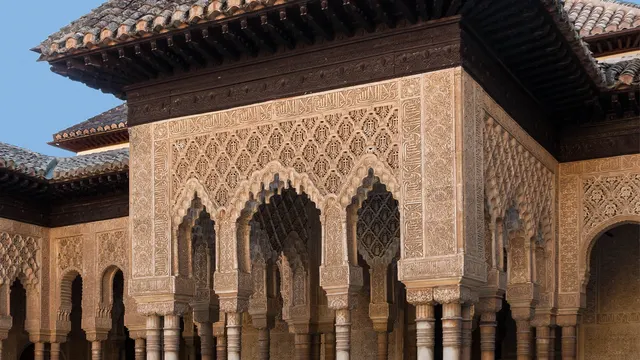
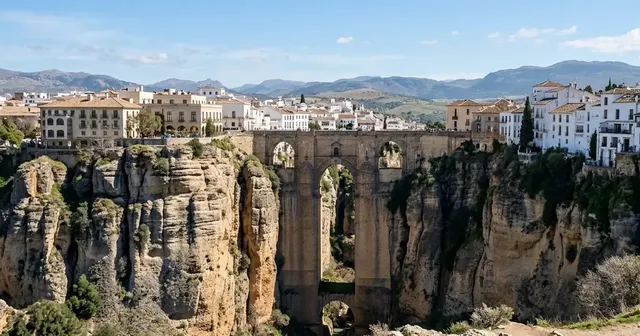
Day Trips from Malaga
Ronda, Granada, Mijas & beyond
Explore Malaga
Top sights, beaches & activities
Caminito del Rey Tickets in 2026 – €10 If You're Early, €62 If You're Late
Read guideHotels7 Best Rooftop Bars in Malaga 2026, Ranked
Read guideGuideBest Time to Visit Caminito del Rey: Month by Month
Read guideActivitiesRomantic Things to Do in Málaga, With What Each One Actually Costs
Read guideActivitiesMálaga Cathedral in 2026 – the Rooftop Tour Is Closed Until 2027
Read guideActivitiesGibralfaro: Getting Up the Hill, and Whether You Need the Ticket at All
Read guidePracticalFree Things to Do in Málaga: Every Free Hour, Mapped
Read guideActivitiesMálaga After Dark: The Club Every Guide Puts on the Wrong Street
Read guideActivitiesThe Alcazaba Costs €7 in 2026 – and You Cannot Book It Online
Read guideActivitiesPicasso Museum Málaga: €13, Open Every Monday, and a Free Window That Moves Four Times a Year
Read guideBeachesMálaga's City Beaches: Dark Sand, Bus Numbers and Which Ones Are Flagged
Read guideActivitiesMalaga Boat Tours: One Sunset Cruise Includes Cava, the Other Does Not
Read guideActivitiesThings to Do in Málaga: What to Book, and What to Skip
Read guideWhere to Stay
Hotels, villas & apartments for every budget
Budget Hotels in Malaga 2026: Best Value Stays Under €80
Read guideHotelsSpa Hotels in Malaga 2026: Best Wellness and Thermal Stays
Read guideHotelsSea View Hotels in Málaga: Four Put It in the Room, Three Put It on a Roof
Read guideHotels6 Best Boutique Hotels in Malaga 2026: Stylish & Central
Read guideHotels7 Best Luxury Hotels in Malaga 2026: Honest Guide
Read guidePracticalWhere to Stay in Málaga 2026: Neighbourhoods Compared
Read guideFood & Drink
Restaurants, tapas bars & where locals eat
Espetos in Málaga: Where to Eat Them and How
Read guideGuideStreet Food in Malaga 2026: What to Eat and Where
Read guideFood & DrinkTapas in Málaga: Walk 200 Metres, Halve the Bill
Read guideFood & DrinkWhat to Eat in Málaga, and What It Should Cost You
Read guideFood & DrinkRestaurants in Málaga: What Closed, What Came Back, and What Just Won a Star
Read guidePlan Your Trip
Itineraries, transport, weather & practical info
One Day in Málaga: Which Day of the Week Decides the Route
Read guideGuideA Wet Day in Málaga Is a Calendar Problem, Not a Weather One
Read guideGuideWhat to Pack for Málaga: Read the Evening, Not the Afternoon
Read guideTransfersMalaga Airport to Marbella: Taxi, Transfer and Bus, Honestly Compared
Read guidePracticalHiring a Car at Málaga Airport – Start With the Low-Emission Zone
Read guideItineraryTwo Days in Málaga: One Day With Tickets, One Day Without
Read guideItineraryThree Days in Málaga: Two on Foot, One Out of the City
Read guidePracticalHow to Pay for a Bus in Málaga – and Why Cash Only Is Out of Date
Read guideItineraryFive Days in Málaga: What the Extra Two Days Actually Buy
Read guideWeatherApril in Málaga: 21.4°C, and the One Month Where Rain Days Go Up
Read guideWeatherMálaga Weather by Month: 2,905 Hours of Sun a Year
Read guideMore Guides
Other Málaga articles
Flights to Malaga: 27 Direct UK and Irish Airports, and the Ones That Stop in Winter
Read guideGuideMálaga Christmas Lights 2026: Calle Larios Show & Guide
Read guideGuideFeria de Málaga: Eight Days, Two Fairs and No Ticket
Read guideActivitiesMálaga Cruise Port: What 4, 6 or 8 Hours Actually Buys You
Read guideGuideSemana Santa Málaga 2027: 21–28 March, and the Seat Nobody Can Sell You
Read guideActivitiesThe Automobile Museum Is Half a Fashion Museum, and That Is Why It Works
Read guideActivitiesCarmen Thyssen Málaga: €12, and Whether This Is Your Kind of Painting
Read guideActivitiesCentre Pompidou Málaga Was the First Outside France. It Is No Longer the Only One
Read guideActivitiesA Málaga E-Bike Tour Is About Radius, Not Cycling
Read guideActivitiesHammam Al Ándalus Málaga: What Actually Happens in the 90 Minutes
Read guideActivitiesMálaga's Sightseeing Bus Is Three Routes Now, Not One Loop
Read guideActivitiesMálaga Segway Tours: What the City's Rules Do to the Route
Read guideActivitiesMálaga by Electric Tuk-Tuk: You Are Buying the Vehicle, Not a Seat
Read guideGuideMálaga's Promenade Is Five Promenades, and Two Go Opposite Ways
Read guideGuideMálaga's Soho: a Free Museum, Two Huge Walls, and No Monuments
Read guideGuideMálaga in Summer: It Is Not 34°C, and the Nights Are the Part Nobody Warns You About
Read guideGuideMálaga in Winter: Three Months That Are Not the Same
Read guideHotelsHoliday Apartments in Malaga: The Rules Changed Under You
Read guideActivitiesMálaga's Viewpoints, Priced: the Best One Costs Nothing
Read guideActivitiesLa Concepción: €5.20, Free on Sunday Afternoons, and No Tickets Online
Read guideActivitiesA Málaga Cooking Class Is Dinner, a Skill and a Timetable Problem
Read guideActivitiesWhich Cultural Tour in Málaga Is Actually Worth Your One Free Afternoon
Read guideGuideMálaga's Festivals in 2026: Two Fill the City, Three Do Not
Read guideActivitiesFlamenco Shows in Málaga: What Each Tablao Charges, and the One That Closed in 2022
Read guideActivitiesHistoric Sites in Málaga: the Hill Is a Route, Not a List
Read guideHotelsHostels in Malaga 2026: Best Picks for Solo Travellers
Read guideActivitiesPhotographing Malaga: the Right Hour for Every Spot
Read guideActivitiesEvery Málaga Market Is a Morning – and El Zoco Is Not Weekly
Read guideActivitiesRoman Theatre Málaga: Free, 20 Minutes, and You Walk Past It Anyway
Read guideGuideIs Málaga Safe? Yes – and the One Risk Worth Planning Around
Read guidePracticalMálaga for First-Timers: the Six Numbers, and the Tram That Does Not Exist
Read guideActivitiesWalking Málaga's Old Town: the Free Route, and When a Guide Beats It
Read guideActivitiesWine Tasting in Malaga: The City's Two Wines, and Where to Try Both
Read guideActivitiesMálaga Has Too Many Museums. Here Are the Three That Decide Your Trip
Read guideActivitiesMálaga With Kids: What Works at 3, at 7 and at 13
Read guideGuideShopping in Málaga: the €90.15 Tax-Free Minimum Is Not in the Rules
Read guideGuideOff the Circuit in Málaga Is a Bus Number, Not a Secret Address
Read guideActivitiesMálaga Old Town: the Streets, Not the Checklist
Read guideGuideMalaga Port and Muelle Uno: What the Boats Actually Cost
Read guideMálaga is the capital of the Costa del Sol and the most rewarding short-break city in southern Spain: a working Andalusian port with a 3,000-year-old core, around forty museums, eight kilometres of city beach and a tapas scene locals still queue for. Most visitors come for two or three days on the way to the coast and leave wishing they had booked longer. This is the overview – what to see, how long to stay, when to come, where to sleep, how to get around and where to go next – with a deeper guide linked at every step.
Things to do in Málaga
If you only do three things in Málaga, make them the Alcazaba, the Picasso Museum and an evening in the old town. The Alcazaba is an 11th-century Moorish fortress-palace that climbs the hill above the centre, joined by a rampart walk to the Gibralfaro castle and the best free view over the bay. At its foot lie a Roman theatre and the cathedral – locals call it La Manquita, "the one-armed lady", for the second tower it never finished.
Málaga is Picasso's birthplace, and the art runs deep for a city this size: the Museo Picasso, the Pompidou's glass cube on the port and the Carmen Thyssen are the headline three, backed by the Russian Museum collection and a clutch of smaller galleries – the full picture is in our guide to Málaga's museums. When the doors close, the marble run of Calle Marqués de Larios pulls everyone towards the tapas bars and the iron-framed Atarazanas market.
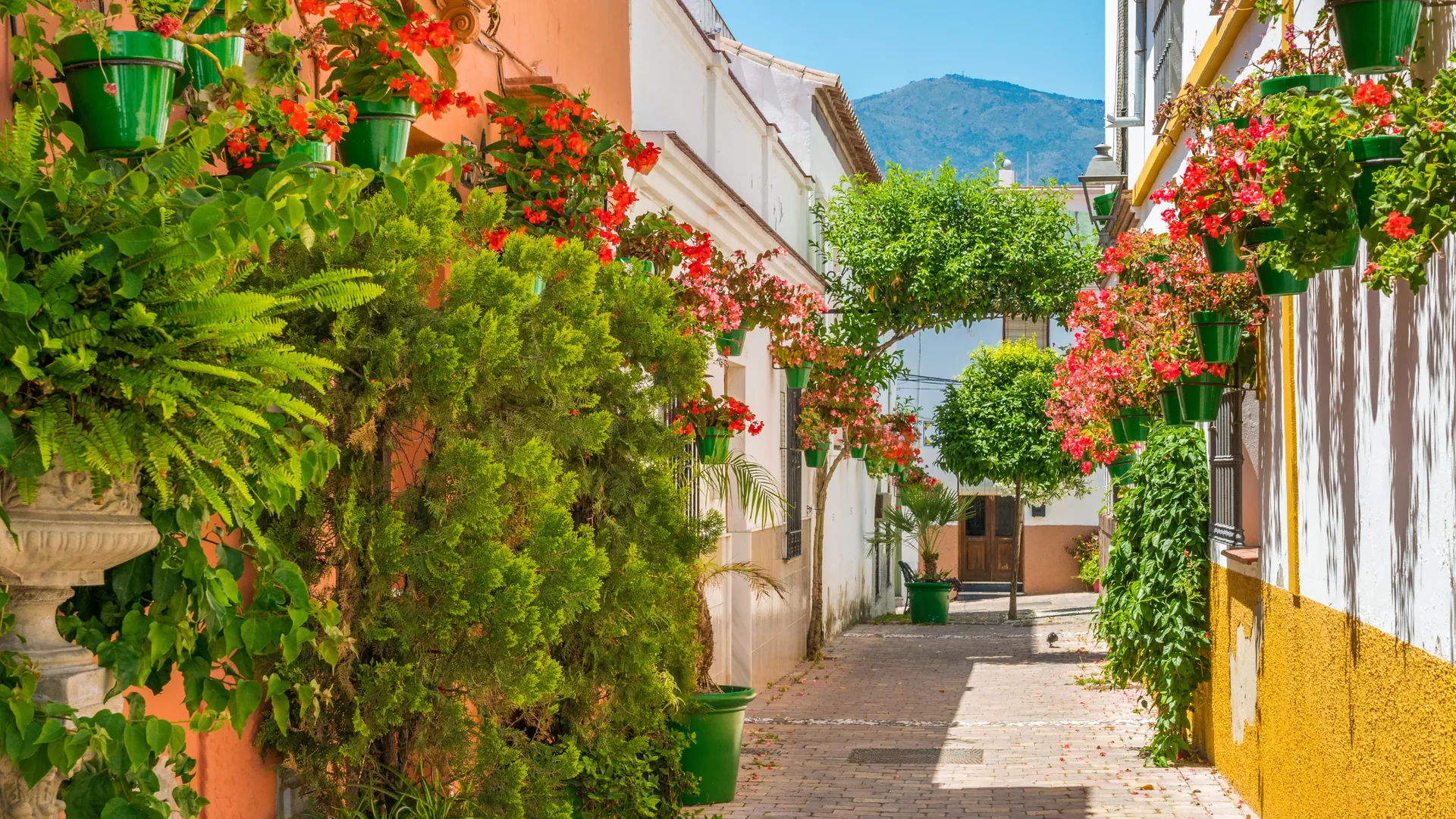
Beyond the obvious, the old town packs a Moorish fortress, a Roman theatre and Picasso's birthplace into one square kilometre, the Soho district south of the centre is covered in street-art murals, and the regenerated Muelle Uno port is good for an evening stroll. For the ranked list with opening hours and ticket tips, see the best things to do in Málaga.
Málaga's beaches
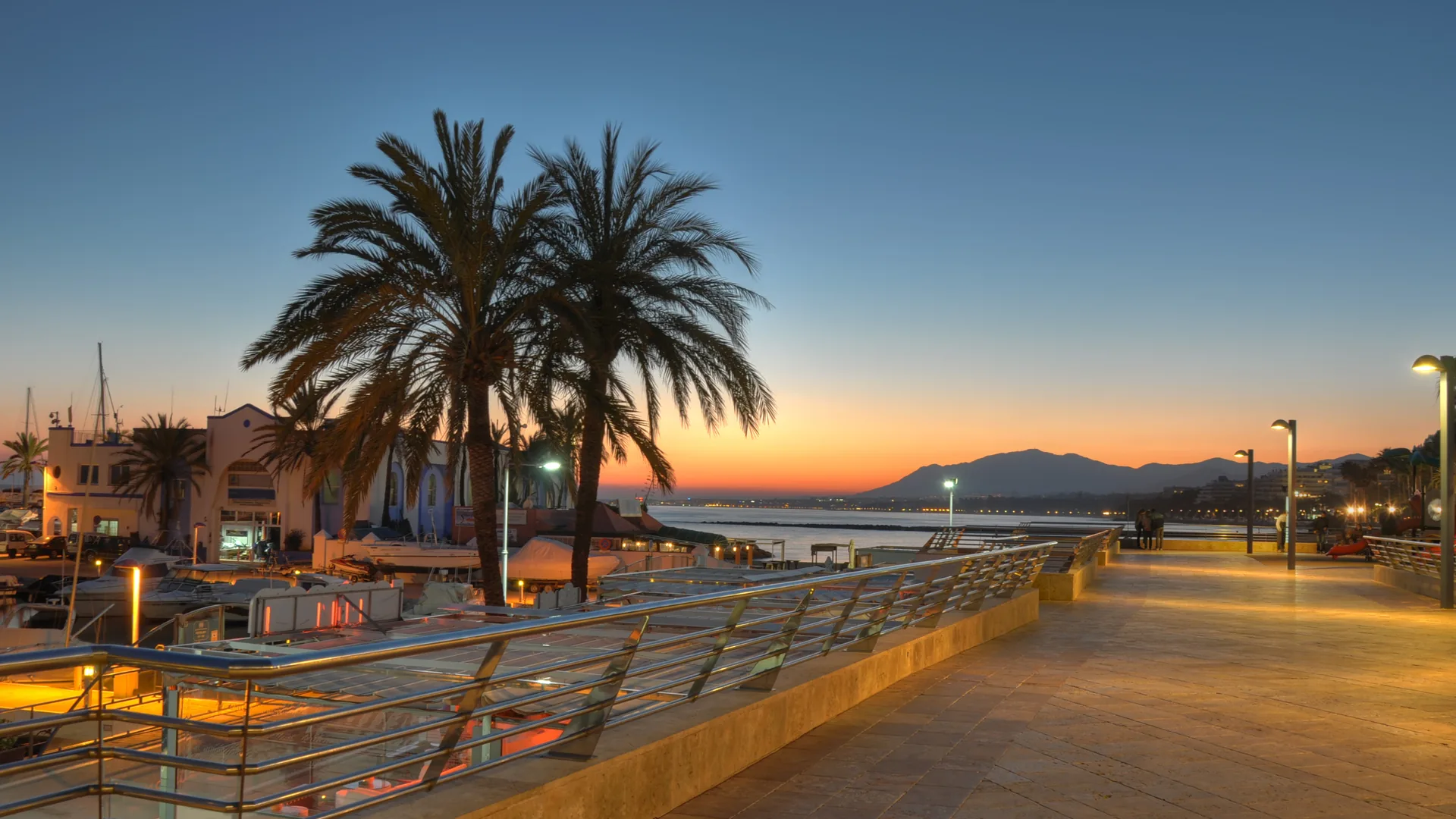
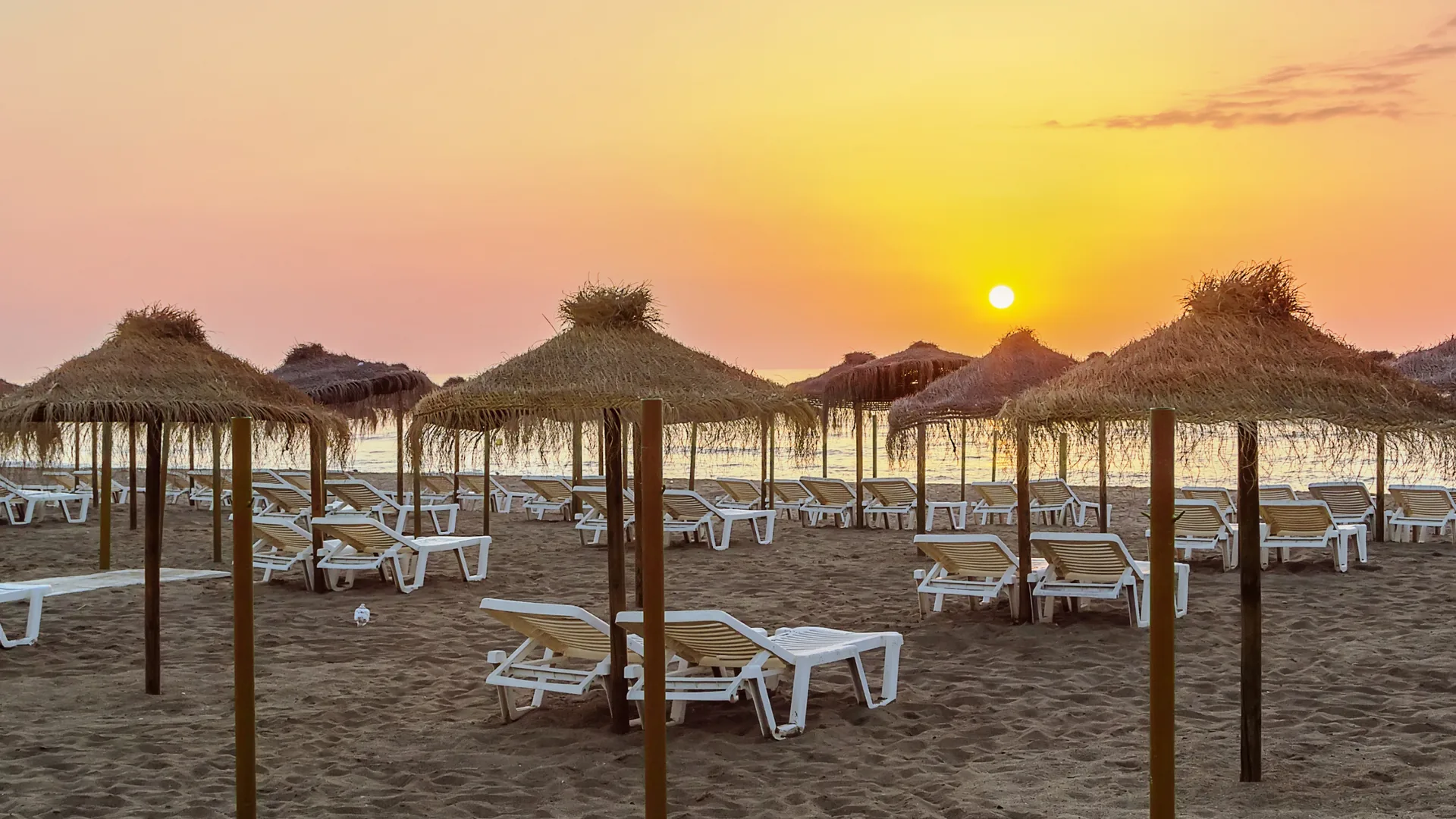
Málaga has eight kilometres of city beach, and you can walk to the best-known one in fifteen minutes from the centre. La Malagueta is the urban beach right beside the port – dark volcanic sand, sunloungers, chiringuitos – and it fills fast in summer. East of it, Pedregalejo and El Palo are the old fishing quarters, narrower and calmer, where the seafront is lined with the boats that grill the espetos.
For clearer water and more room, the coast either side of the city has better sand, and a short train ride west reaches the resort beaches of Torremolinos and Benalmádena. The other way to see the coast is from the water: a catamaran or sunset cruise from Muelle Uno costs from around €15 and turns the skyline gold. The full rundown of sand, facilities and which beach suits which trip is in our Málaga beaches guide.
How many days do you need in Málaga?
Two days cover the headline sights, three is the sweet spot, and with four or more you can add a day trip without rushing. One day is enough to walk the old town, climb to the Alcazaba and eat well, but you will leave the museums unseen. Two days lets you add the Picasso Museum, the cathedral interior and an afternoon by the sea.
Three days is where the city relaxes into you: time for the Soho murals, a long seafood lunch in Pedregalejo and a sunset from a rooftop terrace. Beyond that, the best use of an extra day is heading inland or along the coast rather than adding more city. To turn this into a plan, follow our three-day Málaga itinerary, which also links a slower five-day version.
The best time to visit
Spring (March to May) and early autumn (September to October) are the best months to visit Málaga: warm, dry and far less crowded than high summer. The city is one of the warmest in mainland Europe, with roughly 300 days of sun a year and mild winters that rarely fall below 12°C by day.
July and August are hot – often the mid-30s°C – and busy, and hotel prices climb with the temperature; the sea is at its warmest then, so they suit a beach-first trip. April, May, September and October give you 22–28°C, comfortable walking weather and shorter queues. Timing also matters for the calendar: Semana Santa (March or April) and the Feria de Agosto in mid-August fill the centre and book out fast. For the full picture, see our Málaga weather guide, month by month.
Where to stay
First-time visitors should stay in or just beside the old town (the Centro Histórico); for beach mornings, look at La Malagueta. The historic centre puts every major sight and the best tapas within walking distance, which is why it commands the highest rates. Soho is central and a little cheaper, while the streets around the main station suit early flights and day-trippers. Our area-by-area breakdown is in where to stay in Málaga.
The city now has hotels for every budget and style. At the top end, a restored 1920s grande dame on the seafront and a parador with views to Africa lead the luxury hotels; for character over scale, the design-led boutique hotels sit inside converted palacios in the old town. Want the sea from your window? The best sea-view hotels line the eastern seafront. Travelling light on cash, the budget hotels and guesthouses under about €80 a night still land you central. Prices run from hostel dorms around €25 to design rooms well over €200, so book two to three months ahead for spring and August, or browse hotels across the Costa del Sol if you are basing yourself outside the city.
Getting around – and from the airport
The historic centre is walkable end to end; you only need transport for the airport, the beaches further out and inland day trips. The old town is compact and largely pedestrian, so most visitors never take a bus within it.
The airport sits 8 km from the centre and is linked by the C1 Cercanías train (about 12 minutes, roughly €2) and the metro; the same line runs west along the coast to the resort beaches. With luggage, a group or a late landing, a door-to-door car is simpler, and we cover every option – train, taxi, private transfer and costs – in the full Málaga airport transfer guide, or you can book a fixed-price transfer from about €25. Within the city, use the metro, bus and Cercanías network; for the white villages, Ronda and the hidden beaches the train never reaches, hiring a car is the move – book a refundable rate online before you land and skip the desk upsell.
Where to eat: tapas, espetos and rooftops
Eat espetos at a beach chiringuito, tapas in the old town, and reserve a rooftop for the sunset. The espeto – fresh sardines threaded on a cane and grilled over an olive-wood fire – is Málaga's signature plate, best eaten with your hands along the seafront from spring to autumn.
In the centre, order from the barrel at Antigua Casa de Guardia, the city's oldest taverna, where the sweet Moscatel still comes straight from the cask. Local plates to look for are fritura malagueña (mixed fried fish), porra antequerana and ensalada malagueña with salt cod and orange. For the sit-down picture, our Málaga food guide covers the tapas bars worth queuing for, the Atarazanas market is the place to graze at lunch, and we list the best rooftop bars for the sunset drink. To take the flavours home, a market-to-table cooking class starts with the shopping and ends with the eating.
Day trips from Málaga
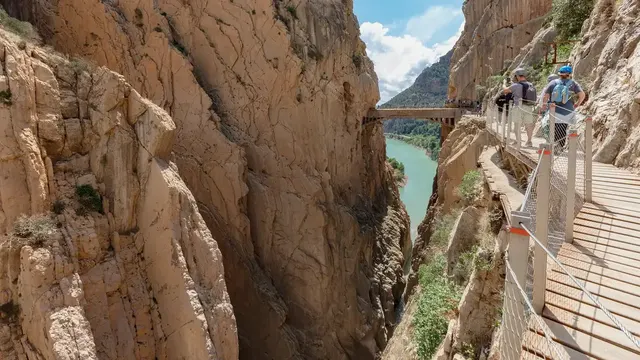
The three day trips worth the early start are Caminito del Rey, Ronda and Nerja, and all three are reachable without a car. Caminito del Rey is the standout: a restored cliff-edge boardwalk pinned to the walls of the El Chorro gorge, an hour inland, and it sells out weeks ahead in season.
Ronda gives you the gorge-spanning Puente Nuevo and a clifftop old town; Nerja pairs vast sea caves with the whitewashed mountain village of Frigiliana next door. Granada and the Alhambra make a longer but memorable day by bus or train. Start with everything you need for Caminito del Rey, then compare the best day trips from the Costa del Sol.
After dark, and Málaga for free
Málaga goes out late: dinner at 21:00, the first drink near 23:00, and the bars around Plaza de la Merced and Soho busy long after. Our guide to Málaga after dark maps the streets and the timing so you arrive when the locals do, not three hours early.
You can also see a lot of the city for nothing. Several big sights – Gibralfaro Castle, the Picasso Museum, the Pompidou – give away free entry on a fixed schedule, mostly late Sunday; our free things to do in Málaga maps every window. And once you have the headline sights done, the city's quieter corners – backstreet bars, lesser-known viewpoints, calmer plazas – are where a repeat visit pays off.
Is Málaga right for you? Málaga vs Marbella
Choose Málaga for culture, food and walkable history; choose the resort towns for beach-club days and marinas. Málaga is a real city first and a beach destination second, which makes it the stronger base for museums, tapas and day trips inland, and the only spot on the coast with its own international airport on the doorstep.
If your trip is mostly about long beach days, golf and nightlife, the coast to the west fits better. Glossy Marbella leans into yachts and Puerto Banús, while greener Estepona keeps the old-town charm with calmer beaches. Plenty of visitors do both – a couple of city days in Málaga, then a few slower ones on the sand.