
Nine destinations sit within two hours of Malaga, so the useful question is not which is best but which one fits the day you have free. Two of them are gated by tickets you need weeks in advance – the Alhambra and Caminito del Rey. Three of them realistically need a car: Setenil de las Bodegas, El Torcal and Frigiliana. The other four you can decide on the night before.
The bus and train stations sit side by side at María Zambrano, which is why most of this list works without hiring anything. Antequera by train is the cheapest and easiest, around 25 to 30 minutes. Seville is the longest at about 2h 30 by bus. Morocco is now the only trip on the list where a passport is genuinely non-negotiable, and this guide is part of our full Málaga travel guide.
| Destination | By car | By bus/train | Best for |
|---|---|---|---|
| Ronda + Setenil | ~1h 30 | bus ~2h 15 | First-timers, most dramatic |
| Nerja + Frigiliana | ~1h | bus ~1h 30 | Best coastal combo |
| Granada (Alhambra) | ~1h 30 | bus ~1h 45 | Book Alhambra first |
| Caminito del Rey | ~50 min | train ~50 min | Adventure, book ahead |
| Antequera | ~45 min | train ~25–30 min (from ~€7) | Easiest and cheapest |
| Mijas Pueblo | ~35 min | bus ~1h | Easy white village |
| Gibraltar | ~1h 45 | bus ~2h | Apes, two continents |
| Seville | ~2h | bus ~2h 30 | Great city, longer day |
| Morocco (Tangier) | ~1h 30 to Tarifa | bus + ferry | Most adventurous |
What to book before you fly, and what can wait
Only two things on this list are worth reorganising a holiday around. Alhambra tickets are released on the official portal up to three months ahead, and from June to August and around Easter the popular morning Nasrid Palaces slots are gone weeks before the date. Caminito del Rey sells in a handful of large batch releases a year rather than on a rolling calendar, so a sold-out date does not reopen.
Everything else is bookable late or not bookable at all. Nerja Caves are worth reserving a few days out in summer. Ronda, Mijas, Antequera and Gibraltar need nothing but a bus ticket and an early alarm, and Seville needs only the Real Alcázar slot.
The practical order is: fix your Alhambra or Caminito date first, build the rest of the week around it, and treat the remaining trips as weather-dependent choices you make over breakfast.
Ronda and Setenil de las Bodegas
Ronda is a clifftop city 700 metres up, split by the El Tajo gorge and joined by the Puente Nuevo bridge that took 34 years to build – and it looks more dramatic in person than in any photo. Beyond the bridge are the oldest bullring in Spain, Arab baths and Moorish palaces, in a setting that drew Hemingway, Rilke and Orson Welles.
Add Setenil de las Bodegas, 25 km on, a village built directly under a 500-metre rock overhang with houses and cave restaurants tucked beneath the stone. It adds about 90 minutes and needs a car.
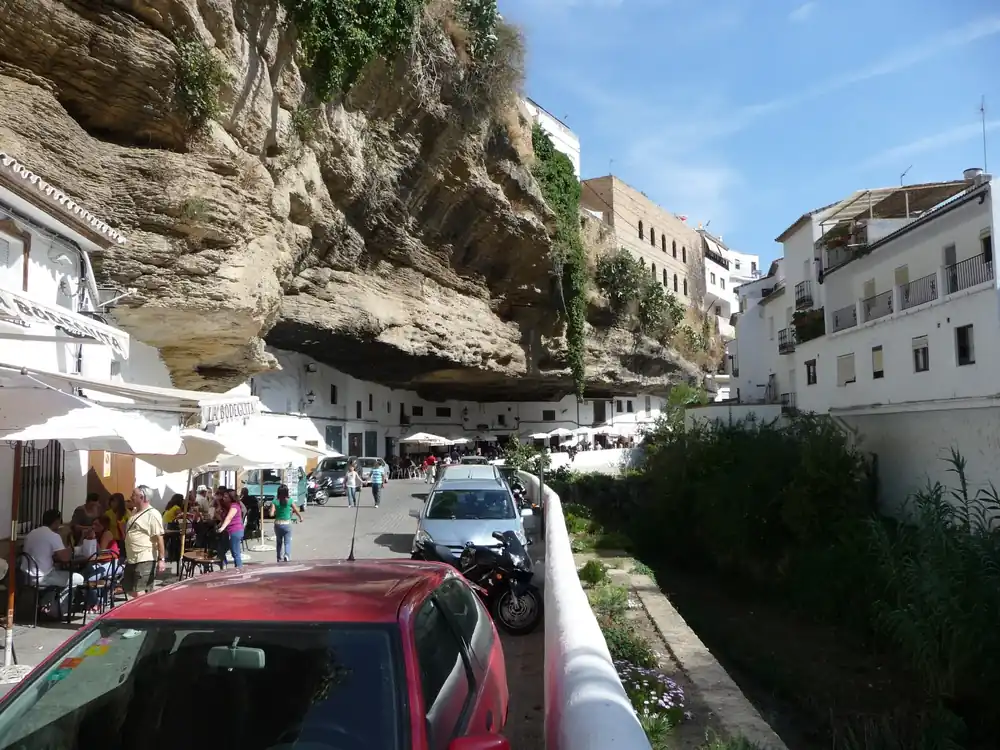
Take the early bus to beat the tour groups that arrive around 10:00 – the Puente Nuevo at 09:00 is a different experience. The complete Ronda day trip guide has the full itinerary.
Nerja and Frigiliana
Nerja is Malaga's favourite coastal day trip – a whitewashed town 55 km east with excellent beaches, the Balcón de Europa viewpoint over the sea, and the Nerja Caves, a vast system with prehistoric paintings. Cave entry is €16 booked online for most of the year, or €18 at the door, rising to €18 online / €20 at the door in high season – summer, Christmas and Easter – with the VR room and the museum included.
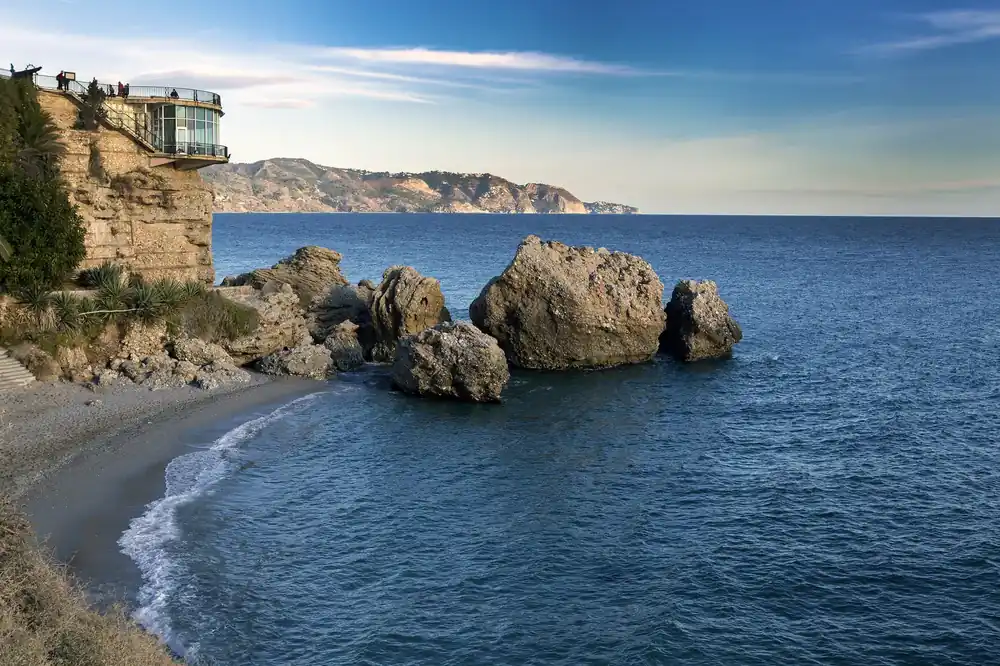
Book at cuevadenerja.es before you travel and arrive at opening to beat the 10:30 groups. Frigiliana, 8 km inland, regularly wins Spain's most-beautiful-white-village award: intact Moorish lanes, whitewashed houses, flowers on every sill. Caves first, then the village for the afternoon – the Nerja and Frigiliana guide covers the combined day.
Caminito del Rey
Once called the world's most dangerous path, Caminito del Rey reopened in 2015 as Spain's most spectacular walking trail – a 7.7 km route along the vertical walls of the Gaitanes Gorge, with a 2.9 km suspended boardwalk above a turquoise river. It is not for anyone who dislikes heights, but for everyone else it is one of the great outdoor days in the south.
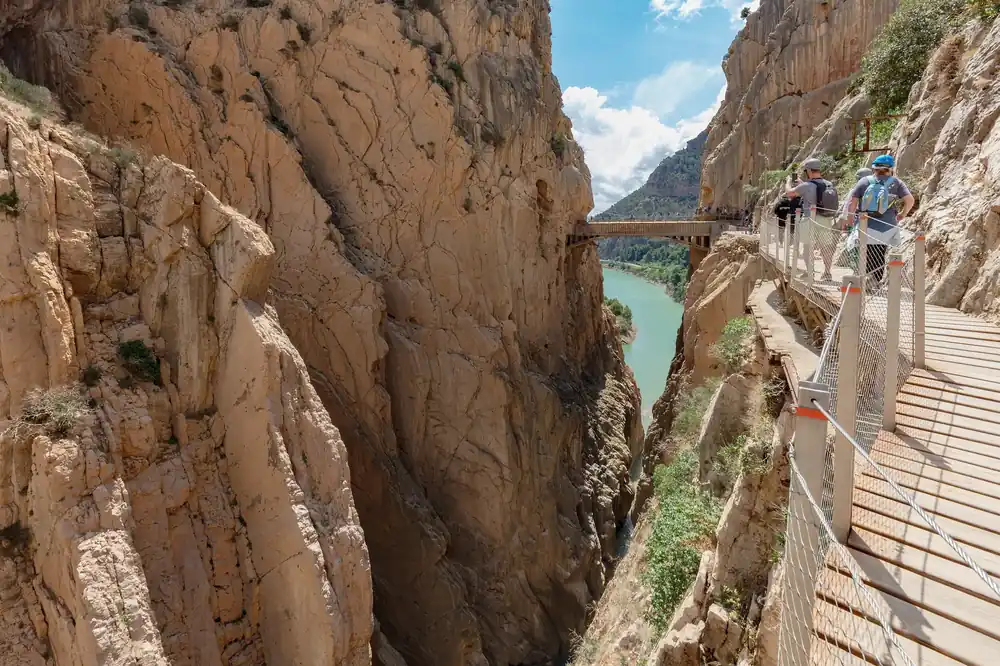
General admission is €10, or €18 for the official guided visit, and the train from María Zambrano to El Chorro takes about 50 minutes on one of Andalusia's most scenic rail lines. Spring and autumn dates want booking two to six weeks ahead, and there are no tickets at the gate – the full Caminito del Rey guide explains how the batch releases work and what to do when your date shows sold out.
Antequera and El Torcal
Antequera is the most underrated trip here and the easiest by train – around 25 to 30 minutes from María Zambrano, with fares typically from about €7, which makes it viable even as a half-day. The UNESCO-listed dolmens of Menga, Viera and El Romeral are among the finest prehistoric monuments in Europe, and the Moorish Alcazaba has the best view over the town.
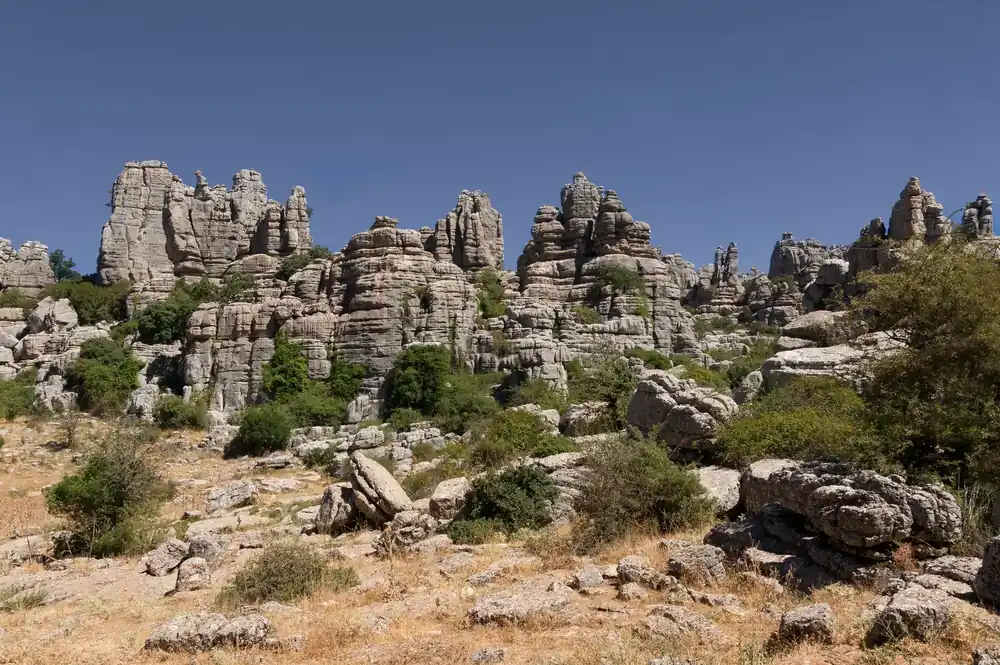
Fifteen kilometres south, El Torcal de Antequera is an extraordinary limestone landscape and free to walk on the signposted self-guided trails, with no booking required – guided routes are the exception, and those need booking and a fee.
The catch is getting up there. You need a car or taxi to reach the area at all, and on busy days private cars can be turned back from the upper car park at Torcal Alto, with a €2 return shuttle bus running up from the lower car parks instead. Dolmens and Alcazaba in the morning, El Torcal after lunch – the Antequera and El Torcal guide has the detail.
Mijas Pueblo
Mijas Pueblo sits at 430 metres with views that stretch from Gibraltar to Nerja on a clear day. It is the classic Andalusian white village – 13th to 15th-century Moorish walls, a chapel carved into the rock, the famous burro taxis, and an unexpectedly good Miniature Museum.
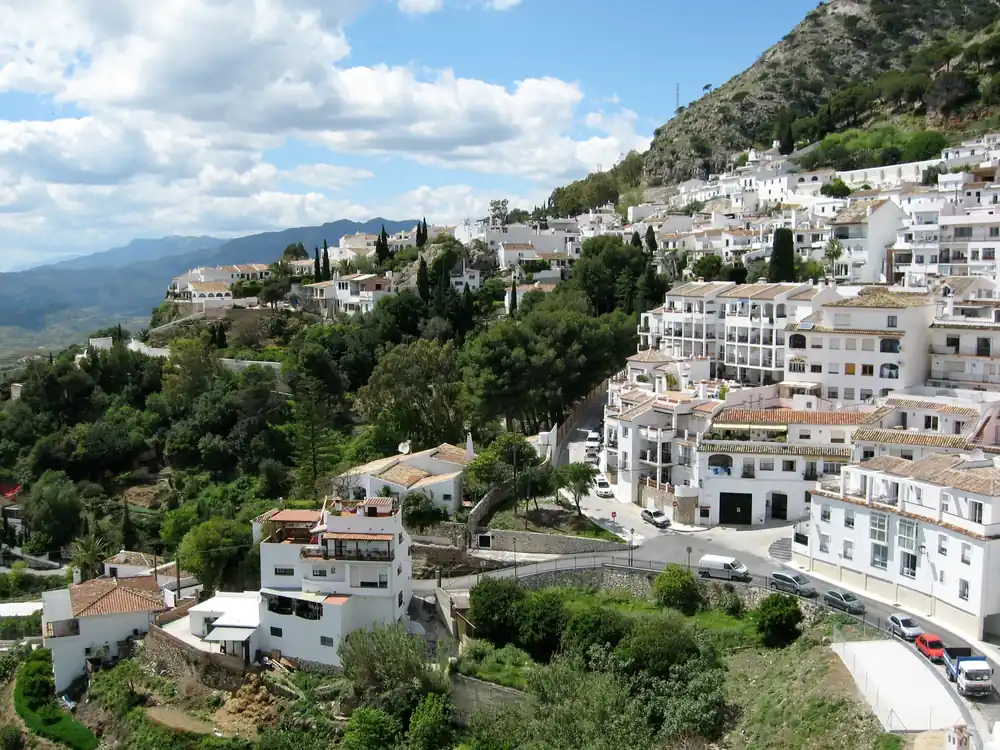
It is a 35-minute drive, or about an hour by bus via Fuengirola, and it is the shortest trip on this list – the one to take when you want a half-day rather than a day. Go before 10:00 or after 17:00, as tour groups dominate the midday window; the Mijas Pueblo guide has the walking route.
Granada and the Alhambra
Granada is the most demanding day trip and the most rewarding. The Alhambra – a vast Moorish palace and fortress above the city – is one of the great buildings of the world, and photographs do not prepare you for the scale of the Nasrid Palaces. Add the Albaicín quarter, the Cathedral and Granada's free-tapas tradition and it is a day people routinely call the highlight of their trip.
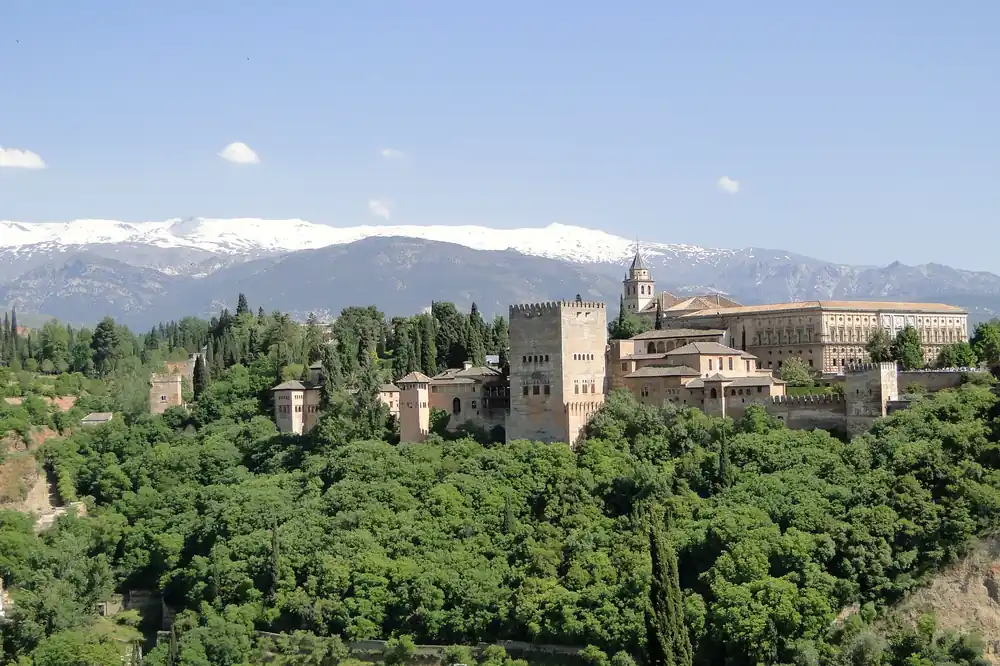
The official portal releases Alhambra tickets up to three months ahead, and from June to August and around Easter the popular morning slots go weeks in advance. Book the moment your dates are fixed, then plan the whole day around your Nasrid Palaces entry time – it is a fixed appointment, not a flexible one. Take the early bus to arrive by 09:00; the Granada day trip guide has the full strategy.
Gibraltar
Gibraltar is one of Europe's oddest destinations – a British territory on the tip of Spain with 300 wild Barbary macaques on the Upper Rock. On a clear day the top shows both continents at once: the Spanish coast north, the Moroccan Rif across 14 km of strait. The Great Siege Tunnels, St Michael's Cave and duty-free shopping round out a genuinely unusual day.

The border works differently since this summer. On 15 July 2026 the physical fence at La Línea was removed and routine passport checks at the frontier ended under a new UK–EU treaty, with Schengen-style checks moved to Gibraltar's airport and port instead. Carry a valid passport or, for EU nationals, a national ID card – spot checks still happen and you can be asked.
The practical timings have barely changed, but the reason has. Pedestrians still cross in about 10 to 15 minutes end to end, and vehicles can still sit for 30 to 60 minutes on summer weekends – that is now ordinary congestion on a two-lane road rather than a passport queue. Walking across is still the better call. The Gibraltar day trip guide covers the Upper Rock and the tunnels.
Seville
Seville is the furthest trip here and one of the most rewarding – the largest Gothic cathedral in the world and its Giralda tower, the UNESCO-listed Real Alcázar, the Barrio Santa Cruz and an evening tapas crawl through Triana. It is a long day from Malaga, but consistently described as worth every minute.
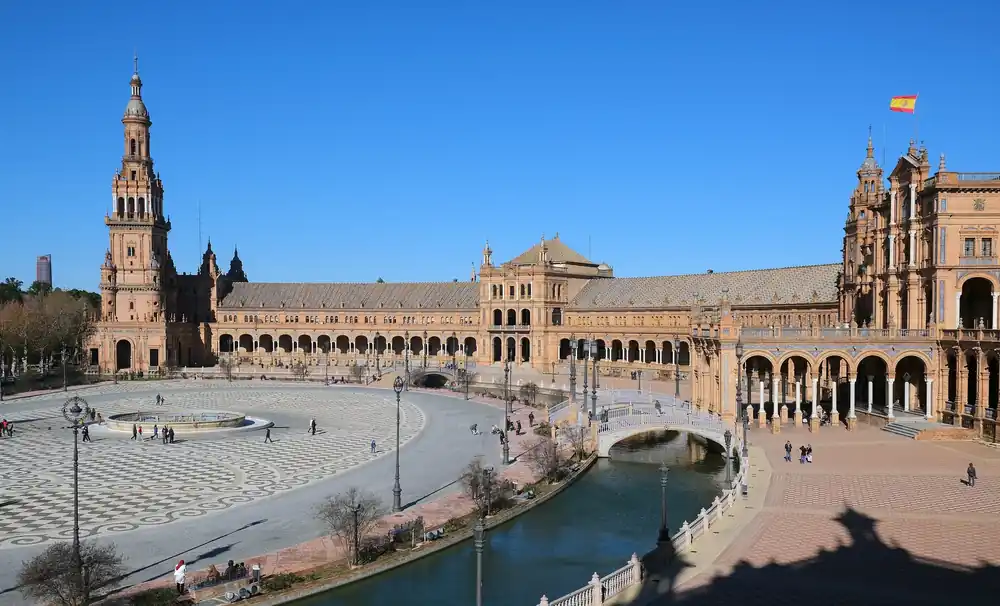
The bus takes about 2h 30, or 2 hours by car via Antequera. Book the Real Alcázar in advance at alcazarsevilla.org, leave by 07:30 to make the day work, and do the Cathedral and Alcázar before lunch. This is the one to save for a longer stay, ideally after Granada rather than before it – the Seville day trip guide has the full plan.
Morocco
The Morocco trip is the most adventurous of all: bus or drive to Tarifa, about 90 minutes west, then the fast ferry across the strait to spend the day in Africa – the Medina, the Grand Socco, the Kasbah, the souks – and back for dinner in Malaga. Nothing else within reach of the Costa del Sol changes this completely in the course of a morning.
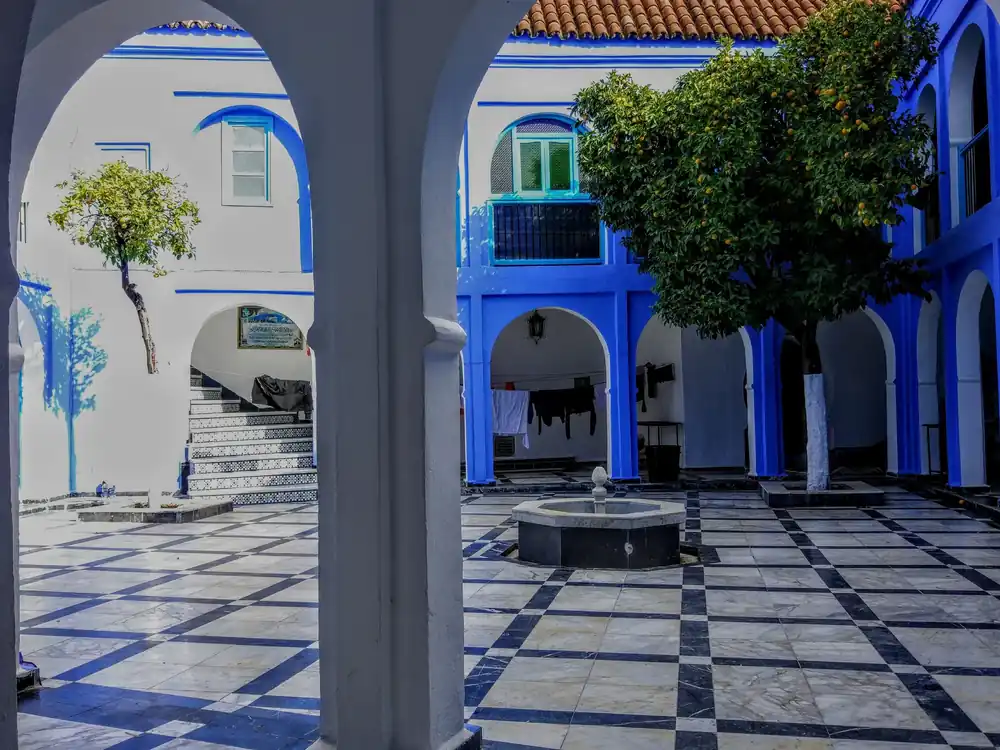
Two things to get right. The Tarifa crossing to Tangier, the city-centre port, takes around an hour by fast ferry and carries foot passengers only – so the car stays in Tarifa.
The second is the passport, which is essential here with no exceptions and no EU ID card substitute at the Moroccan border. For a first visit, a guided excursion that bundles the ferry and a medina walk is worth the money; the Tangier day trip guide has the ferry logistics.
So which one should you actually do?
With one free day and no car, take Ronda. It is the trip that most reliably becomes the story people tell about their week, the bus does the whole thing, and nothing needs booking further ahead than the night before. Nerja and Frigiliana is the alternative if you would rather end the day on a beach than on a clifftop.
With one free day and a fixed obsession, book it first. The Alhambra and Caminito del Rey are the only two trips here where the ticket decides the date rather than the other way round, and both are worth arranging a holiday around. Turning up in Granada in August without a ticket is a hot, expensive disappointment.
With half a day, take Mijas Pueblo or Antequera. With a car and a taste for the odd, Setenil under its rock overhang and El Torcal's limestone maze are the two that buses handle badly and that reward the hire car most. And with a second free day later in the week, Gibraltar or Tangier give you something that looks nothing like the first one.
Doing all of this without a car
Base yourself centrally in Malaga and almost everything here works on public transport, because the bus and train stations sit side by side at María Zambrano.
- By train: Antequera in around 25 to 30 minutes, El Chorro for Caminito del Rey in about 50 minutes.
- By direct bus: Ronda, Nerja, Granada, Gibraltar and Seville all run from Malaga bus station.
- Bus plus ferry: Tarifa for the Tangier crossing, the only trip that needs two legs.
- Car strongly advised: Setenil de las Bodegas, El Torcal and Frigiliana, all of which buses combine badly.
A hire car only pays for itself if two or more of those last three are on your list, or if you are travelling with people who will not do a 2h 30 bus each way. Staying elsewhere on the coast? The Costa del Sol day trips hub covers the same destinations from Marbella, Estepona and Benalmádena.
FAQ – Day trips from Malaga
Images: Wolfgang Moroder / Wikimedia Commons / CC BY-SA 3.0
Reader Comments 💬
Share your experience or ask a question