Malaga Off the Beaten Path 2026 — What Locals Actually Do
Most visitors to Malaga see Calle Larios, the Alcazaba and the Picasso Museum. All worth it — but the city has an entirely different register once you step off the main circuit. Different bars, different streets, different pace. Considerably fewer people with rolling suitcases.
This is what that version of Malaga looks like.
Quick Takeaways
- ✓Lagunillas and Soho have the best street art in the city — free, walkable, and five minutes from the old town.
- ✓Pedregalejo and El Palo are fishing village neighbourhoods east of the centre — local beaches, proper espetos, zero tourists.
- ✓The Mirador Eduardo Molina Rojas in El Palo has sea views as good as Gibralfaro — and almost nobody goes there.
- ✓Barrio de la Trinidad is the most authentic working-class neighbourhood left in central Malaga — worth an hour on foot.
- ✓The Aeronautics Museum is free and genuinely interesting — almost never mentioned in standard tourist guides.
- ✓Sunday morning: El Rastro flea market in Soho, followed by espetos at Pedregalejo. That's a proper Malaga Sunday.
| Area | What's there | Distance from centre | Cost |
|---|---|---|---|
| 🏆 Pedregalejo / El Palo | Local beaches, espetos, fishing village feel | 20 min bus | Free |
| 🏆 Lagunillas / Soho | Street art, independent bars, murals | 5 min walk | Free |
| 💰 Barrio de la Trinidad | Authentic working-class neighbourhood | 15 min walk | Free |
| 🎯 Mirador E. Molina Rojas | Sea views, almost no tourists | 25 min bus | Free |
Jump to: Neighbourhoods · Viewpoints · Local Bars & Food · Free & Unusual · Practical Tips · FAQ
Start with the neighbourhoods — they're the thing most visitors miss entirely.
Neighbourhoods Worth Exploring
Lagunillas
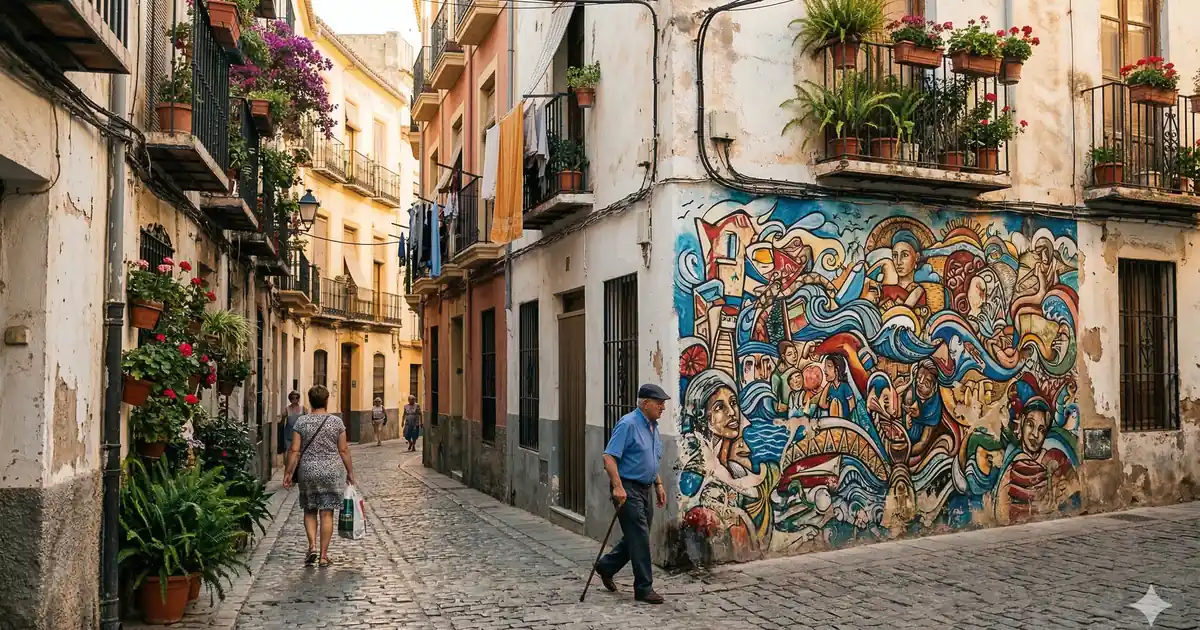
Five minutes' walk from the old town, and a completely different city. Lagunillas is the core of the Soho street art district — murals covering entire building facades, independent cafes, quirky shops and an atmosphere that feels local rather than performed.
Walk Calle Lagunillas from the bottom and keep going north. The murals get better the further from the tourist circuit you go. Allow 45–60 minutes to do it properly.
Calle Ollerías, just off Lagunillas, has buildings covered in hanging plants — vertical gardens climbing the facades. Easy to miss if you're not looking up. It's free, it's photogenic, and it takes five minutes.
Pedregalejo & El Palo
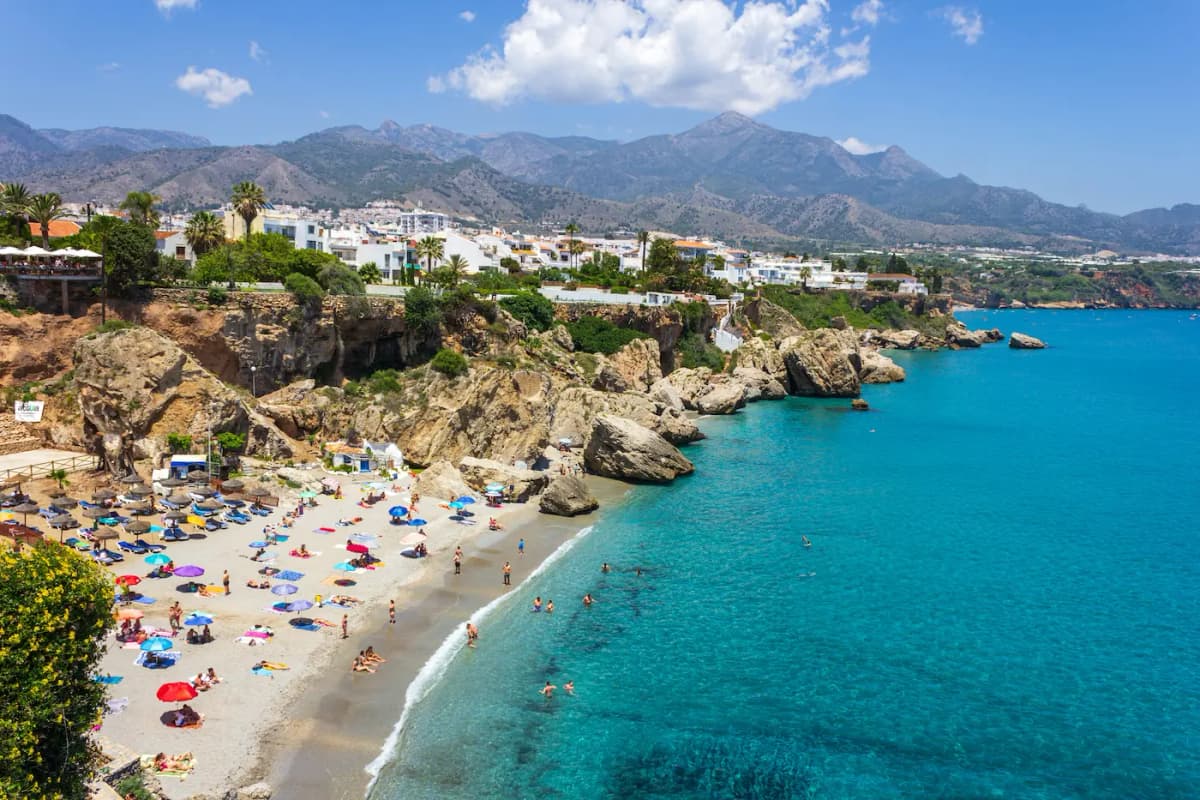
The fishing village neighbourhoods east of the city are where Malaga actually lives at weekends. Black sand beaches, chiringuitos doing proper espetos de sardinas over open fires, and a seafront promenade that runs for several kilometres without a souvenir shop in sight.
Take Line 11 bus from Paseo del Parque (€1.40, 20 minutes). Get off at Pedregalejo and walk east along the seafront. The further east you go, the more local it gets.
Best street for seafood: Calle Bolivia in El Palo — seafood restaurants that have been doing the same thing for decades, for a fraction of the old town prices.
The Malaga Sunday. El Rastro flea market in Soho from 9am (free to browse), then Bus 11 to Pedregalejo for espetos at noon. Back in the old town by 3pm for a glass of Málaga Dulce. That's the correct sequence.
Barrio de la Trinidad
The working-class neighbourhood between the old town, the train tracks and the Guadalmedina river. Laundry on the balconies, kids in the streets, bars where the menu is written on a blackboard and nobody speaks English.
It's not polished, it's not on any tourist map, and that's exactly the point. Walk in from Calle Trinidad off the old town — allow an hour and go on a weekday morning when the neighbourhood is going about its business.
El Mayorazgo
A quieter residential area of hills and traditional houses north of the centre. Green spaces, elderly residents on benches, streets that haven't changed much in 40 years. Good for a walk when you want the city without any of the city noise.
Lesser-Known Viewpoints
Mirador Eduardo Molina Rojas (El Palo)
A viewpoint in the El Palo district with panoramic Mediterranean views — sea stretching south, mountains behind, the coast in both directions. Stone benches, almost no visitors, accessible by Bus 11 or bike.
Come at golden hour. The light on the water is as good as anything from Gibralfaro and you'll likely have it to yourself.
Calle Alcazabilla — the Roman Theatre Walkway
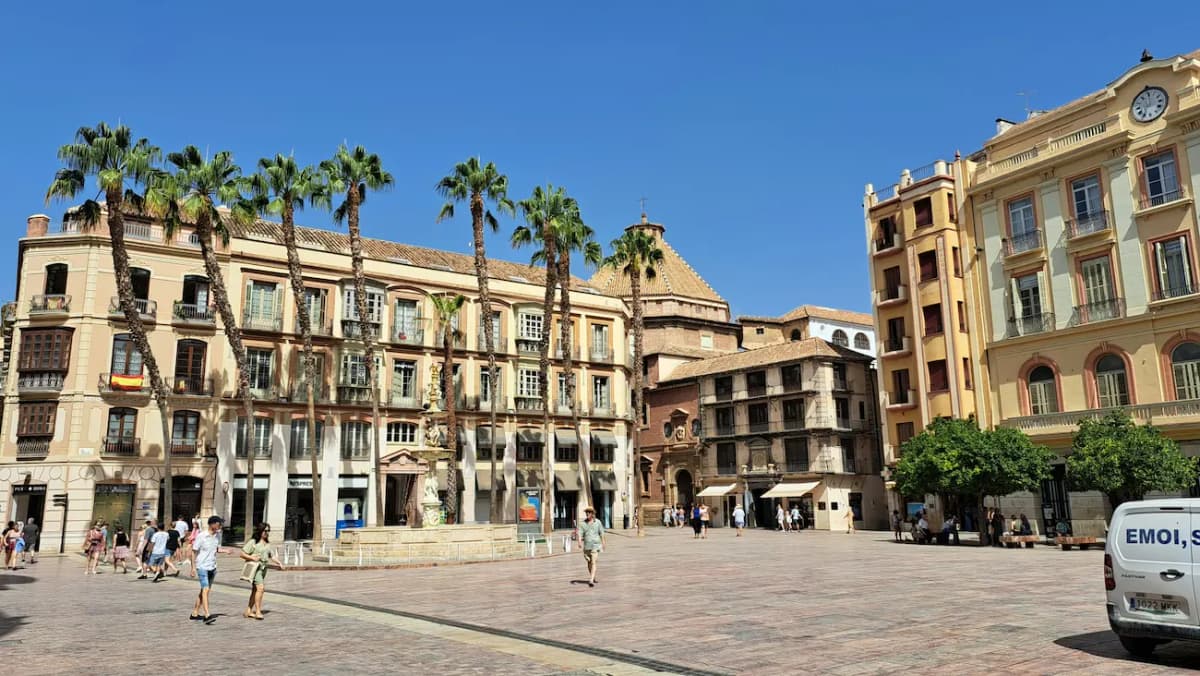
The stretch of Calle Alcazabilla between the Albéniz cinema and the Roman Theatre gives a view up to the Alcazaba and across the Roman Theatre that most people walk straight past. Best at dusk when the stone catches the last light. Free, two minutes from the tourist circuit, almost always quiet.
Plaza de la Judería
A small square in the old town with a street art wall, a fountain and a single large tree. One of those city squares that exists for residents rather than visitors — benches, locals, no café terraces extracting €5 for a coffee. Easy to find, easy to miss.
Local Bars & Food
The bars worth knowing about — none of them on the main tourist circuit.
Bar Molinillo 33
A small bar near the Mercado Salamanca doing empanadas, tapas and local wine. Andalusian and Argentinian influences, honest prices, the kind of place where regulars have the same seat every day. Near Mercado Salamanca, historic centre.
Ultramarinos Zoilo
A traditional ultramarinos — originally a grocery, now a bar — on Calle Granada. Tapas, local wine, shelves still stocked with tins and bottles. One of the better spots on a street that has plenty of competition. Calle Granada 65.
La Catrina Cervecería
Mexican food and craft beer in the old town — an unlikely combination that works. Best nachos in Malaga by some margin, decent tequila selection, no tourist menu. Calle Juan de Padilla.
Malaga has peñas — private flamenco clubs where members gather to play and sing. They're not advertised and not open to tourists in any formal sense, but locals in the right bar will sometimes invite you along if you show genuine interest. Ask in any neighbourhood bar on a Thursday or Friday evening.
Free & Unusual Spots
Aeronautics Museum (Museo del Patrimonio Aeronaútico)
A free aviation museum covering the history of Spanish aeronautics — historic aircraft, uniforms, documents, the works. Almost never mentioned in standard Malaga guides despite being genuinely interesting. Good for a couple of hours, particularly for anyone with an interest in aviation history.
Ancient Defensive Walls
On Calle Alcazabilla and Calle Císter, sections of Malaga's ancient defensive walls are visible in building facades and courtyards — with plaques explaining what you're looking at. Free, unannounced, easy to walk past without noticing. The old town guide gives context for the layers of history involved.
La Araña Beach
A rugged, rocky beach east of the city — past El Palo, mostly frequented by locals who don't want a beach bar and a parasol. Not the place for a comfortable sunbed day. The place if you want to sit on rocks with the sea in front of you and no one nearby.
El Rastro Flea Market
Sunday morning flea market in the Soho area. Local sellers, second-hand goods, the occasional find. Free to browse, starts around 9am, winds down by 2pm. More interesting than the souvenir shops in the old town.
Practical Tips
Go on weekdays. The neighbourhoods listed here are at their best on weekday mornings when they're going about their actual business. Weekends bring more visitors even to the off-circuit areas.
Ask in bars. The best recommendations in any Spanish city come from the person behind the bar. Order in Spanish if you can manage it — even a bad attempt goes down well.
Combine east and west. Lagunillas and Soho are five minutes from the old town going south. Pedregalejo and El Palo are 20 minutes east by bus. A day that covers both gives you a complete picture of the city outside the tourist centre.
For the full picture of everything Malaga offers — mainstream and otherwise — the complete Malaga travel guide is the starting point. The free things to do guide covers the zero-budget options across the whole city.