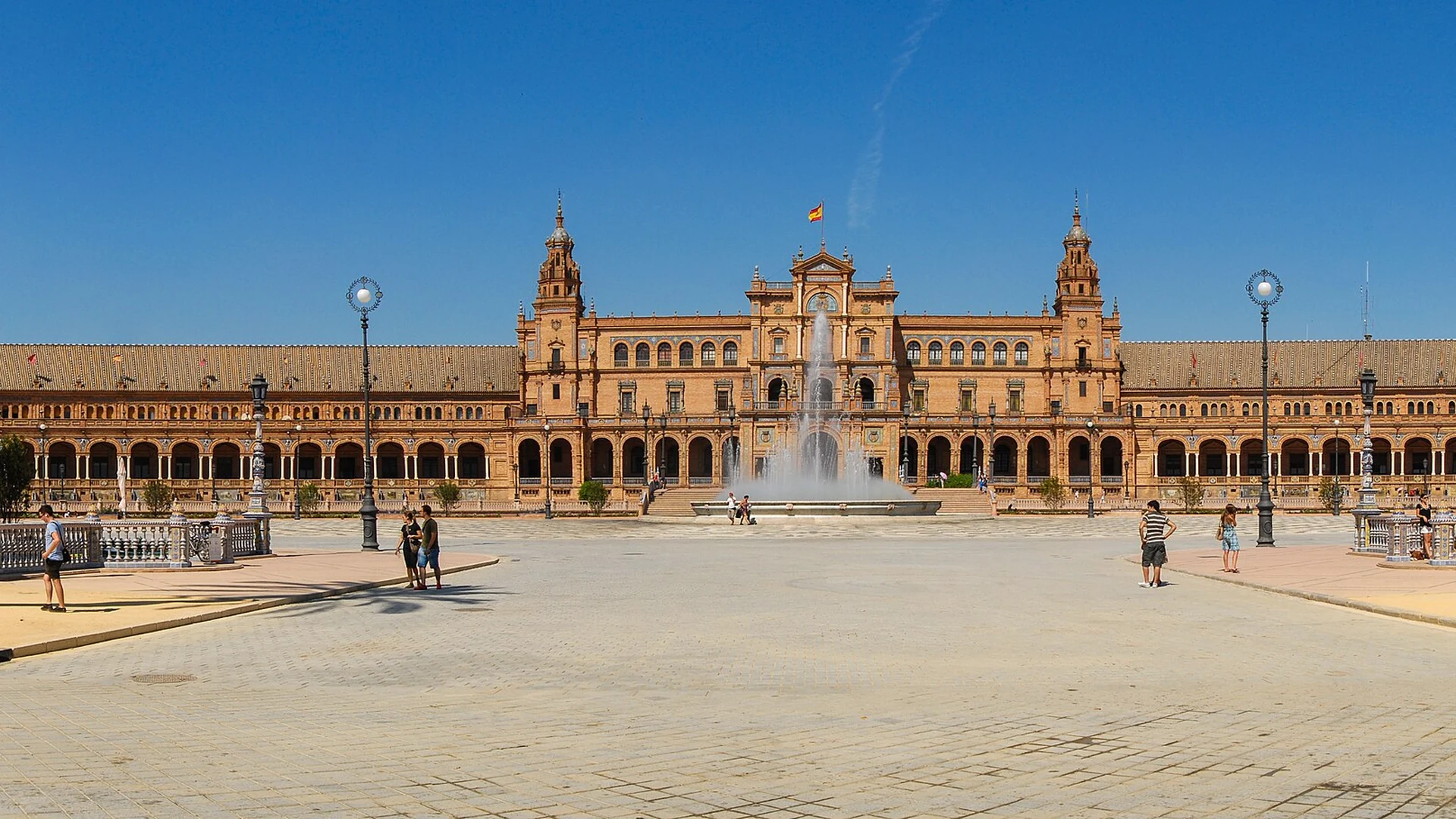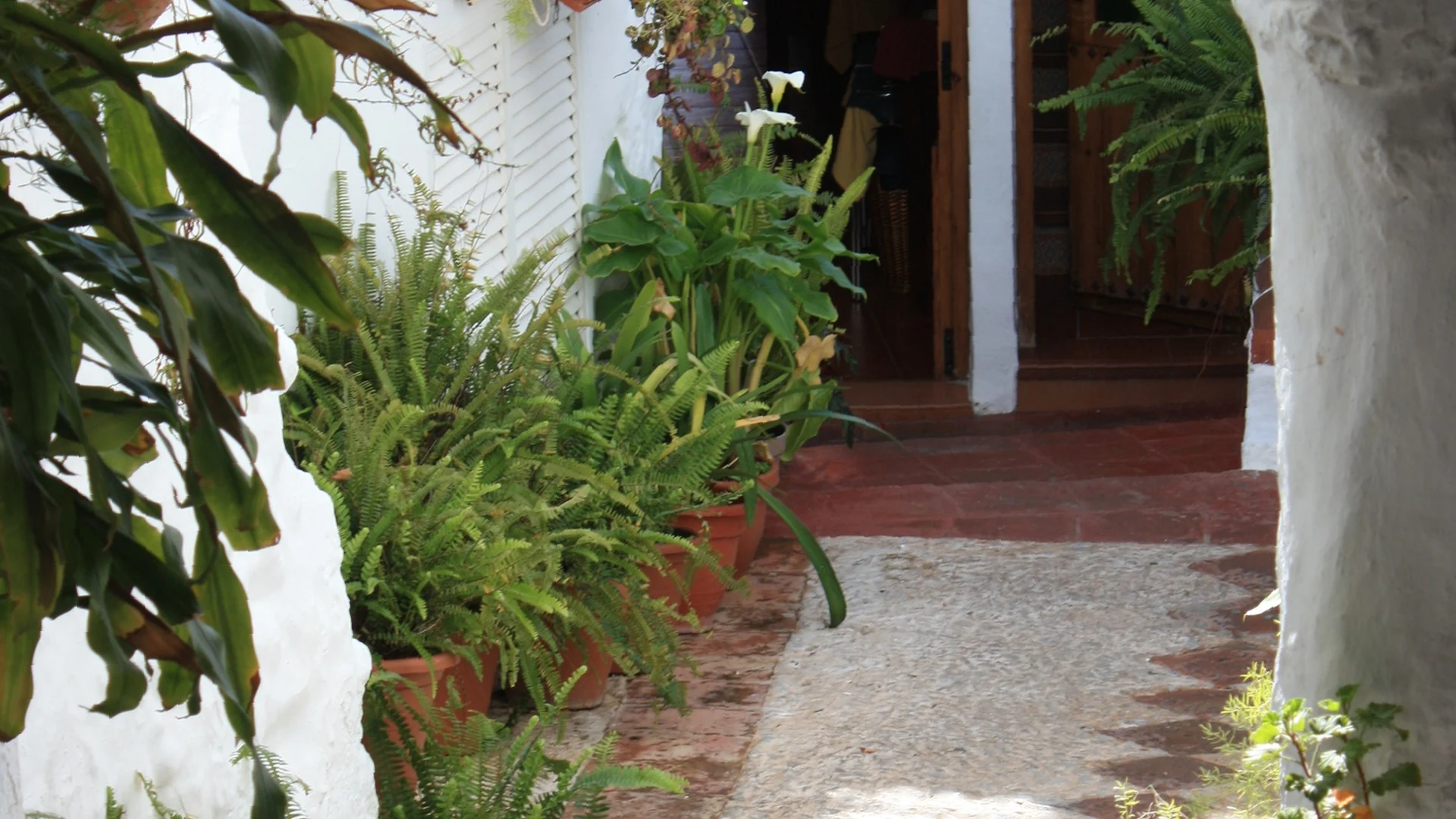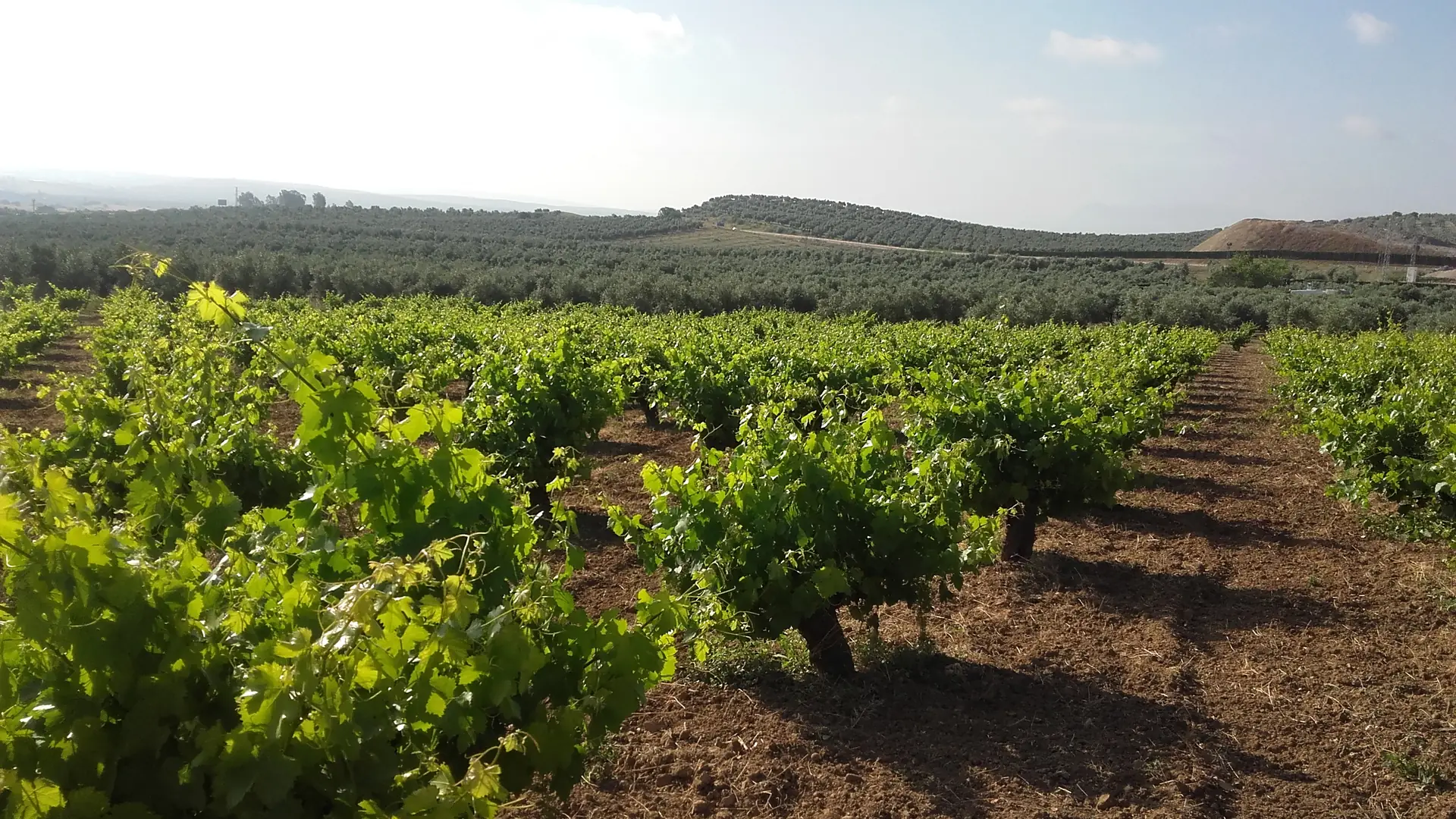
The Serranía de Ronda is one of Spain's least-known wine regions and one of its most interesting – mountain vineyards at 700–900 metres altitude producing bold reds and fresh whites that barely make it out of Andalusia. The day trip from Marbella combines two winery visits with Ronda's iconic views: Puente Nuevo, the gorge and the white old town all in one 7.5-hour circuit. Small group, hotel pickup, eight wines and an Andalucian lunch included.
- 01Small group tour from ~€189 per person – max 7 people, private vehicle, 8 wines and Andalucian lunch included
- 02Two winery visits: aged reds with local cheese and Iberian ham at one bodega, natural non-filtered wines with a terrace lunch at the other
- 038 wines tasted across both bodegas – paired with food at each stop
- 047.5 hours total – hotel pickup from Marbella, time to see Ronda's bridge and old town between tastings
- 05Small group: maximum 7 participants – not a bus tour
- 06Serranía de Ronda wines: grown at 700–900m altitude, rarely exported, mostly consumed locally
The Serranía de Ronda Wine Region
Ronda sits at the centre of a wine region that flies almost entirely under the radar. The vineyards grow at 700–900 metres in the Serranía de Ronda mountains, giving cooler temperatures and greater diurnal variation than the coastal wine regions – conditions that produce more concentrated, structured wines than Málaga's sweeter coastal styles.
The region has around 30 commercial bodegas and counts Descalzos Viejos and Cortijo los Aguilares among its most-visited wineries. Grape varieties include Tempranillo, Cabernet Sauvignon, Syrah and the local Romé grape – a variety that was nearly extinct until local winemakers revived it in the 1990s. Most production stays in Andalusia.
What the Tour Covers
The day trip from Marbella is run by Rootz Wine Tours and keeps the group to 7 people maximum.
First winery stop: tasting of three aged red wines paired with local cheeses and Iberian ham from the winery's own pigs. The winery focuses on traditional methods and ageing in oak.
Ronda: time in the city between the two winery visits – the Puente Nuevo bridge and El Tajo gorge viewpoints, the old town, the Arab walls. Your guide manages the timing so nothing feels rushed.
Second winery stop: a rustic bodega specialising in natural, non-filtered, ecological wines. Tasting of 3–4 wines with an Andalucian lunch on the winery terrace overlooking the vineyard.
Total: eight wines across both bodegas, lunch included, hotel pickup from Marbella and return drop-off.
Ronda Wine Region: What to Know
Altitude: the Serranía de Ronda sits at 700–900m. Cooler nights slow the ripening process, giving wines more acidity and complexity than lower-altitude Spanish reds.
Varieties: Tempranillo, Cabernet Sauvignon, Merlot, Syrah and Petit Verdot for reds; Sauvignon Blanc and Moscatel for whites. The Romé grape (local, nearly extinct) is now grown by a handful of bodegas.
Labels to look for independently: Descalzos Viejos, Cortijo los Aguilares, Bodega Lunares, F Schatz (organic, German-owned). Most are sold direct at the winery or in Ronda's wine shops – they are rarely in UK or US supermarkets.
Harvest season: late September to mid-October. Visiting during harvest means you may see the picking and pressing in action. Some bodegas offer harvest experiences; the guided tour runs year-round.
In the end it is a question of appetite – for wine as much as for sightseeing. If both appeal, few day trips from the coast pack in as much; if only the town does, take the straight Ronda route instead.
Images: Antoniobailen / CC BY-SA 4.0 / Wikimedia Commons