
Torremolinos town centre with Calle San Miguel and pedestrians in morning light
Torremolinos · Field guide

Torremolinos Practical Guide 2026: What First-Time Visitors Need to Know

Updated May 8, 20266 min read
Share this guide

Torremolinos is an easy destination to navigate once you understand how it's laid out – but several things catch first-time visitors off guard that have nothing to do with Spain in general and everything to do with this specific town. The promenade is 6km end-to-end. The Cercanías train to Málaga Airport takes 10 minutes and costs under €3. La Nogalera is 20 minutes uphill from the beach. This guide covers the Torremolinos-specific practicalities that most generic travel guides miss.

Quick Takeaways
  1. 01Cercanías train from Torremolinos station to Málaga Airport: ~10 min, from ~€1–3, every 30 min
  2. 02Card payment is widely accepted – carry €5–20 cash for buses, small vendors and tips
  3. 03Torremolinos is safe for tourists; main risks are beach bag theft and pickpocketing in crowds
  4. 04English is spoken widely in the tourist areas – more than most Spanish coastal resorts
  5. 05Hotels in Montemar or La Nogalera are 20–30 min uphill from the beach – check location before booking
  6. 06The promenade is 6km end-to-end – wear comfortable shoes, not flip-flops, for a full day

Here's what you actually need to know before you arrive.

Getting Around

Cercanías Train

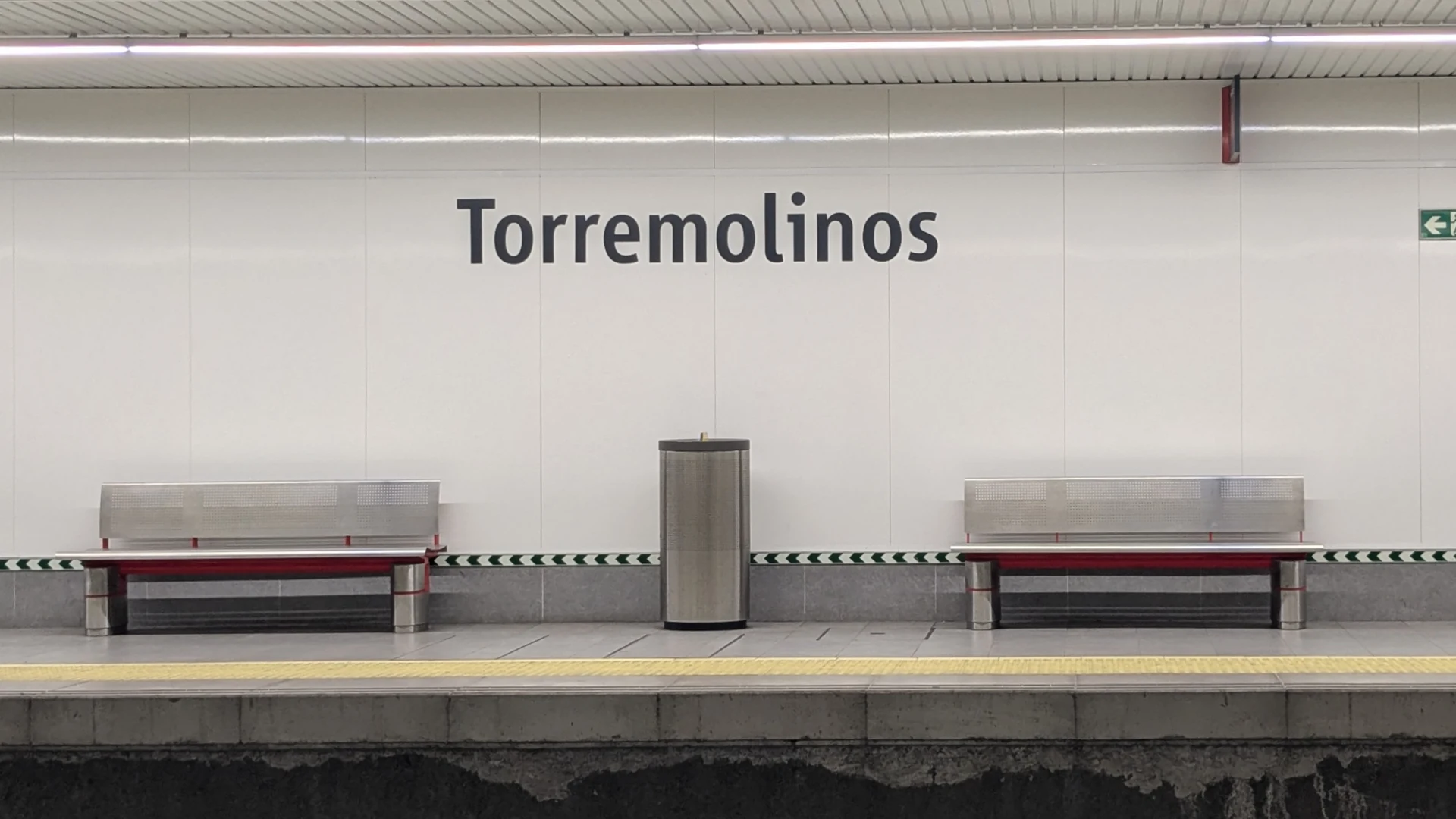
The Cercanías (Renfe C1/C2 lines) is the most useful transport link in Torremolinos. Three stations serve the town: Torremolinos (central), Montemar and Montemar Alto. Trains run every 20–30 minutes and cost from ~€1–3 per trip. The key journey: Torremolinos station to Málaga Airport takes approximately 10 minutes. The same line connects westward to Benalmádena, Fuengirola and the full Costa del Sol strip.

For airport arrivals, the Cercanías is the fastest and cheapest option by a significant margin – the bus takes around 37 minutes to cover the same route. Full arrival logistics are in the Málaga Airport to Torremolinos transfer guide.

Buses

The local bus network uses green Consorcio cards, topping up at kiosks or bus stations. Fares run from ~€0.71–1.75 per trip. Key routes:

M-110 connects Málaga city to Torremolinos. M-120 runs Torremolinos to Fuengirola along the coast. M-123 covers the Churriana–Torremolinos–Benalmádena Costa corridor. M-121 links Mijas, Benalmádena and Torremolinos. Main stops for most visitors: Plaza Costa del Sol, El Bajondillo and La Carihuela Centro de Salud.

Cash works on buses but topping up a green card gives the lower fare and removes the need for exact change.

Taxis and Ride-Share

Short taxi rides in town – Bajondillo to La Carihuela, for example – run around €7–9. Uber and Bolt are both active in Torremolinos; Bolt tends to have the lowest fares at ~€5–8 for short trips, though wait times vary depending on the time of day. Neither app has the reliability of a major city, so don't depend on them for time-sensitive journeys.

Walking Distances

Torremolinos is walkable but bigger than it looks on a map.

~2.5–3km, 30 min🚶 Bajondillo → La Carihuela
~1.5km, 20 min uphill🚶 Beach → La Nogalera
~6km total🚶 Promenade end-to-end
~10 min, from ~€1–3🚆 Train to airport
Heads up
The promenade runs 6km end-to-end. Many first-time visitors underestimate this and attempt it in flip-flops mid-afternoon in July. Wear proper sandals or trainers for any walk longer than the beach to the nearest chiringuito.

Money

Card payment is accepted at restaurants, hotels, supermarkets and most shops throughout Torremolinos. Cash is still needed for buses (or topping up the green card), small food vendors, market stalls and tips.

ATMs are widely available around the town centre and along the main streets. Use a fee-free card (Starling, Chase or Revolut work well) to avoid charges. Avoid currency exchange kiosks at the airport or on the main tourist strip – the rates are consistently poor. Withdraw euros from a bank ATM on arrival instead.

Tipping norms in Torremolinos: restaurants, 5–10% if no service charge is included; bars, €0.10–0.50 per drink or round up to the nearest euro; taxis, round up the fare. Tipping is not obligatory but is standard practice after a full meal.

Safety

Torremolinos is a safe destination for tourists with low levels of violent crime. The main practical risks are beach bag theft and pickpocketing in crowded areas – the promenade, the Pueblo Blanco section and the main pedestrian streets during peak summer.

Keep a bag with you at all times on the beach – leaving valuables unattended while swimming is the most common source of problems. At night, the lit town centre and El Bajondillo area are safe; avoid empty beaches and unfamiliar backstreets after midnight, which is standard practice anywhere.

The nightlife guide covers the evening scene in more detail, including La Nogalera, which is safe and well-policed but benefits from the same common sense as any concentrated nightlife district.

Take note
The simplest beach security system: one person stays with the bags while others swim, then swap. Waterproof phone pouches for €5–10 let you keep your phone and cards on your body in the water. Most beach thefts in Torremolinos are opportunistic, not targeted.

Language

Torremolinos is more English-friendly than most Spanish coastal resorts – the town has catered to Northern European tourists for over 60 years and the tourism infrastructure reflects this. Hotels, restaurants, beach clubs and the main shops all have English-speaking staff. La Nogalera is almost entirely English-oriented.

Spanish is needed at local markets, small neighbourhood shops and with older residents. A few phrases that genuinely help:

Por favor – please. Gracias – thank you. ¿Cuánto cuesta? – how much does this cost? ¿Dónde está el baño? – where is the toilet? Una cerveza fría, por favor – a cold beer, please. La cuenta, por favor – the bill, please.

Google Translate's camera function handles menus, signs and market labels instantly. Download the Spanish language pack for offline use before you travel.

Common Mistakes First-Time Visitors Make

These are Torremolinos-specific, not generic Spain issues.

Booking a hotel in Montemar or La Nogalera without checking the distance to the beach. Both areas are 20–30 minutes uphill from the seafront. Fine if you have a car or don't mind the walk in summer heat; a significant daily inconvenience if you're beach-focused. Check the map before booking, not after.

Trying to walk the full promenade in inappropriate footwear. 6km on concrete and tiled promenade paths in flip-flops on a 32°C afternoon is a bad afternoon. Comfortable sandals or trainers make the difference.

Arriving in peak July–August expecting quiet beach spots. The main beaches fill by 10am on summer weekends. If a quiet beach is the goal, see the quiet beaches guide before you arrive.

Missing the old town and La Carihuela entirely. Many visitors stay within a few hundred metres of their hotel and the nearest beach. The Pimentel Tower, Cuesta del Tajo and the La Carihuela fishing quarter are all within walking distance and give the trip more depth. The walking tour covers the full route.

Not understanding how chiringuito timing works. Walk-in is fine but arrival before 1pm on weekdays is the practical rule for the best spots. Turning up at 2:30pm in August and expecting a table at Chiringuito Larry is optimistic. The beach clubs and chiringuitos guide covers this in detail.

Visiting in winter expecting a beach holiday. Torremolinos in winter is a pleasant walking destination with mild temperatures and open restaurants – but the beach infrastructure largely closes from October, sea temperatures are cold and the chiringuito culture shuts down. Know what the season delivers before you book.

Practical Logistics

Pharmacies: Farmacías operate on a 24-hour rotation – a sign in any pharmacy window shows which one is currently open overnight. Farmacia Internacional on Paseo Marítimo Bajondillo and several pharmacies around Plaza Costa del Sol cover the main visitor areas.

Medical: Centro de Salud El Calvario handles non-emergency medical needs in the town centre. Hospital Quirónsalud Torremolinos handles more serious cases. EU citizens should carry their EHIC/GHIC card; travel insurance is essential for non-EU visitors.

Supermarkets: Mercadona on Calle Nueva Ronda is the main full-size option. Dia and Consum have branches across the main tourist and residential zones. All are significantly cheaper than hotel minibar or beachfront kiosk prices for water, sunscreen and snacks.

SIM cards and data: Vodafone and Orange have shops in the town centre. A local eSIM runs ~€10–20 for a week of data. Free WiFi is available at most plazas, cafés and hotels – sufficient for light use, but a local SIM makes navigation and ride-share apps significantly more reliable.

What to pack that people forget: a reusable water bottle (public fountains are common throughout the promenade and parks), high-SPF sunscreen (cheaper at a supermarket on arrival than at airport prices), a power bank for full-day beach trips, and comfortable walking shoes alongside beach footwear.

🚆 Airport trainTorremolinos → Airport ~10 min, from ~€1–3
🚌 Bus farefrom ~€0.71–1.75 with green card
🚕 Short taxi~€7–9 within town
💳 CardsWidely accepted – carry €20 cash backup
💊 24h pharmacyCheck rotation sign in any pharmacy window
🏥 MedicalCentro de Salud El Calvario (non-emergency)
🛒 Main supermarketMercadona, Calle Nueva Ronda
📶 SIM cardsVodafone/Orange centro – eSIM from ~€10–20

FAQ – Practical Tips for Torremolinos

Sources: Renfe Cercanías, Consorcio de Transporte Metropolitano del Área de Málaga, Ayuntamiento de Torremolinos (April 2026).

Málaga, Marbella & Beyond

We keep you updated on the Costa del Sol's latest happenings!

No spam · Unsubscribe anytime