The short version
Updated September 2026- Airport
- Direct Cercanías train; ~40 min to Málaga – an easy base without a car
- Fuengirola or Marbella / Torremolinos
- Cheaper than Marbella, calmer than Torremolinos – best for families and longer stays
- Beyond the beach
- Bioparc zoo, the free Castillo Sohail, the Friday market, dolphin trips from the port
- For families
- Calm beaches with children’s areas, a barrier-free zoo, kids’-club resorts in Mijas Costa
- Best for
- Longer stays and families rather than a one-night stop
- Winter
- Mild and quiet, Bioparc open year-round, a Christmas market from late November
Things To Do
Bioparc zoo, Castillo de Sohail, Friday market & attractions
Mijas from Fuengirola: How to Get There and What to See
Read guideGuidePuerto Deportivo Fuengirola: Where Boat Trips Leave & Where Locals Eat
Read guideActivitiesFuengirola for Couples: Romantic Things to Do, Eat and See
Read guideActivitiesCastillo Sohail: Fuengirola's Free Moorish Castle With Panoramic Views
Read guidePracticalFree Things to Do in Fuengirola: A Full Day Without Spending a Euro
Read guideGuideFuengirola with Kids: Bioparc Works, and There Is No Waterpark
Read guideActivitiesThings to Do in Fuengirola: Beyond the Beach
Read guideActivitiesBioparc Fuengirola: €29.50, the Gorillas, and Whether It Adds Up
Read guideGuideFuengirola Boat Trips 2026: Sunset Cruises, Fishing & More
Read guideBeaches
Los Boliches, Santa Amalia, El Ejido & best spots to swim
Food & Drink
Seafood restaurants, tapas bars & waterfront dining
Where to Stay
Hotels, apartments & best areas to base yourself
Plan Your Trip
Getting there, weather, day trips to Mijas & practical info
More Guides
Other Fuengirola articles
Fuengirola in Winter: What It's Actually Like and Who Should Go
Read guideGuideFuengirola vs Marbella, Benalmádena and Three More – Which One?
Read guidePracticalFuengirola Markets: Three Days, Three Different Markets
Read guideGuideFuengirola Old Town: One Square, One Church, and All of It Free
Read guideActivitiesFuengirola Dolphin Watching: What to Expect on the Water
Read guideFuengirola is the unpretentious heart of the Costa del Sol: eight kilometres of sandy beach across seven named stretches, a 10th-century Moorish castle you can visit for free, the best zoo on the coast and a Tuesday market – around 470 stalls at the Recinto Ferial fairground – that is one of the largest on the entire coast. It has none of Marbella's polish and little of Torremolinos' nightlife reputation, and that is largely the point – Fuengirola is where a genuinely large expat and retiree community lives alongside the tourists, which keeps prices honest and the town running year-round rather than shutting down each winter. This is the overview, with a deeper guide linked at every step.
Fuengirola's beaches
The coastline runs as seven distinct beaches from Carvajal in the east to El Castillo in the west, all urban, dark-sand and connected by one long promenade. Carvajal, at the quiet eastern end furthest from the centre, draws the fewest crowds and has a paddle-surf zone and accessible facilities. Los Boliches-Gaviotas is the longest at three kilometres and the pick for families thanks to calm water, while the central stretches – San Francisco, the main Fuengirola beach and Santa Amalia – carry the bulk of the facilities and the summer crowds. El Castillo, by the fortress at the western end, is the spot for beach sports, parkour equipment and a nearby dog beach.
All seven are working urban beaches with dark, fine sand rather than hidden coves, so what actually varies between them is crowd density and facilities, not scenery. Our full beaches guide breaks down all seven with the detail to match you to the right stretch, and if you are short on time, free things to do in Fuengirola covers how to fill a whole day on the sand and the promenade without spending a euro.
Castillo Sohail and Bioparc
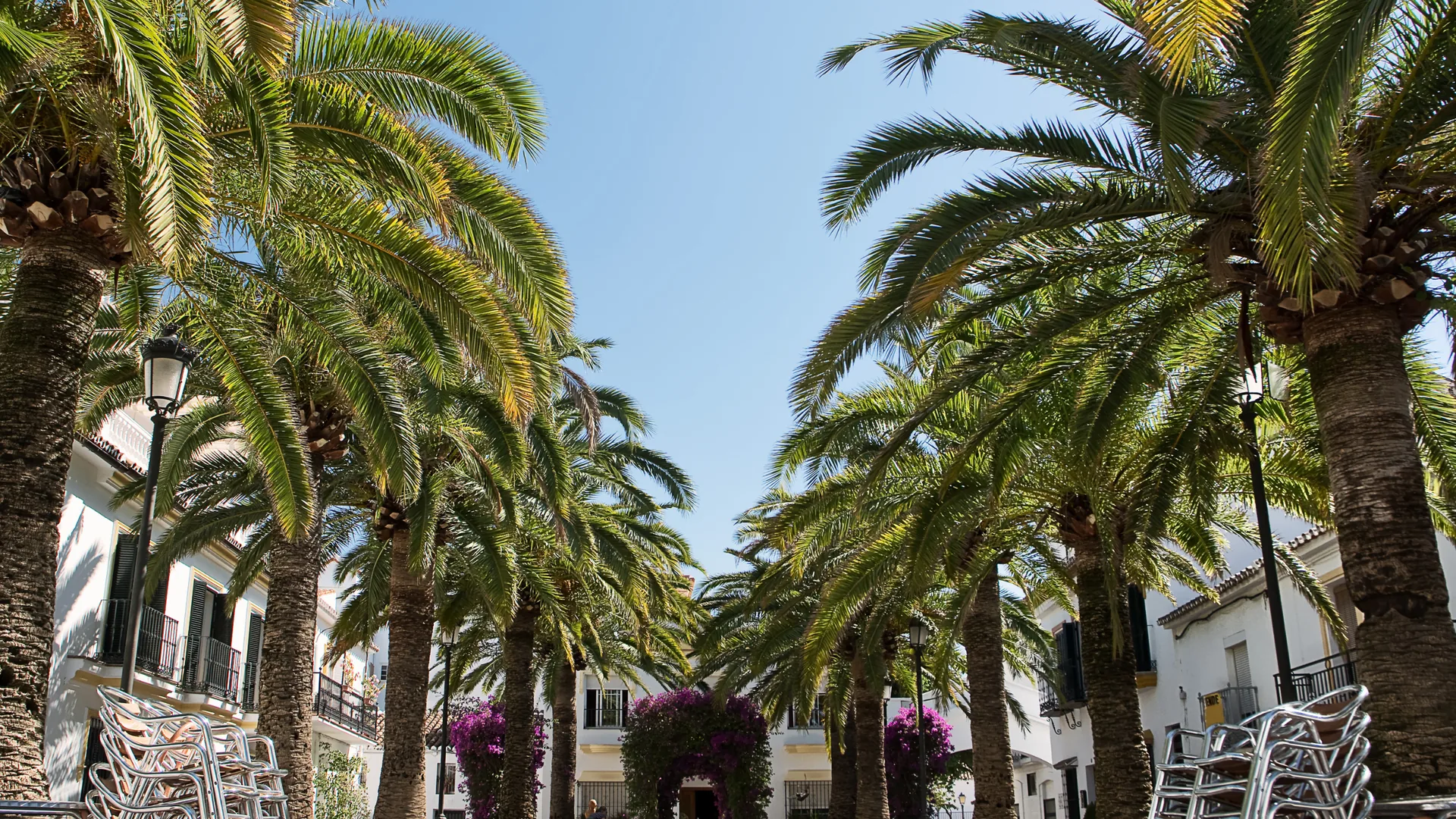
Two attractions do most of the heavy lifting beyond the beach. Castillo Sohail is a restored 10th-century Moorish fortress at the mouth of the Fuengirola river – free to enter, with panoramic coastal views and a stage that hosts one of the best open-air concert programmes in Andalucía through summer. Our Castillo Sohail guide covers opening hours and the concert calendar.
Bioparc Fuengirola is the more ambitious stop: over 200 species across immersive enclosures with no visible bars or fences, including the only gorillas in Andalusia. The barrier-free design means moats and vegetation stand in for cages, which makes it a noticeably different experience from a traditional zoo and one of the few Costa del Sol attractions that genuinely holds adults' attention as well as children's. It is easily worth half a day, and the Bioparc guide covers tickets, feeding times and the best route around the park.
On the water
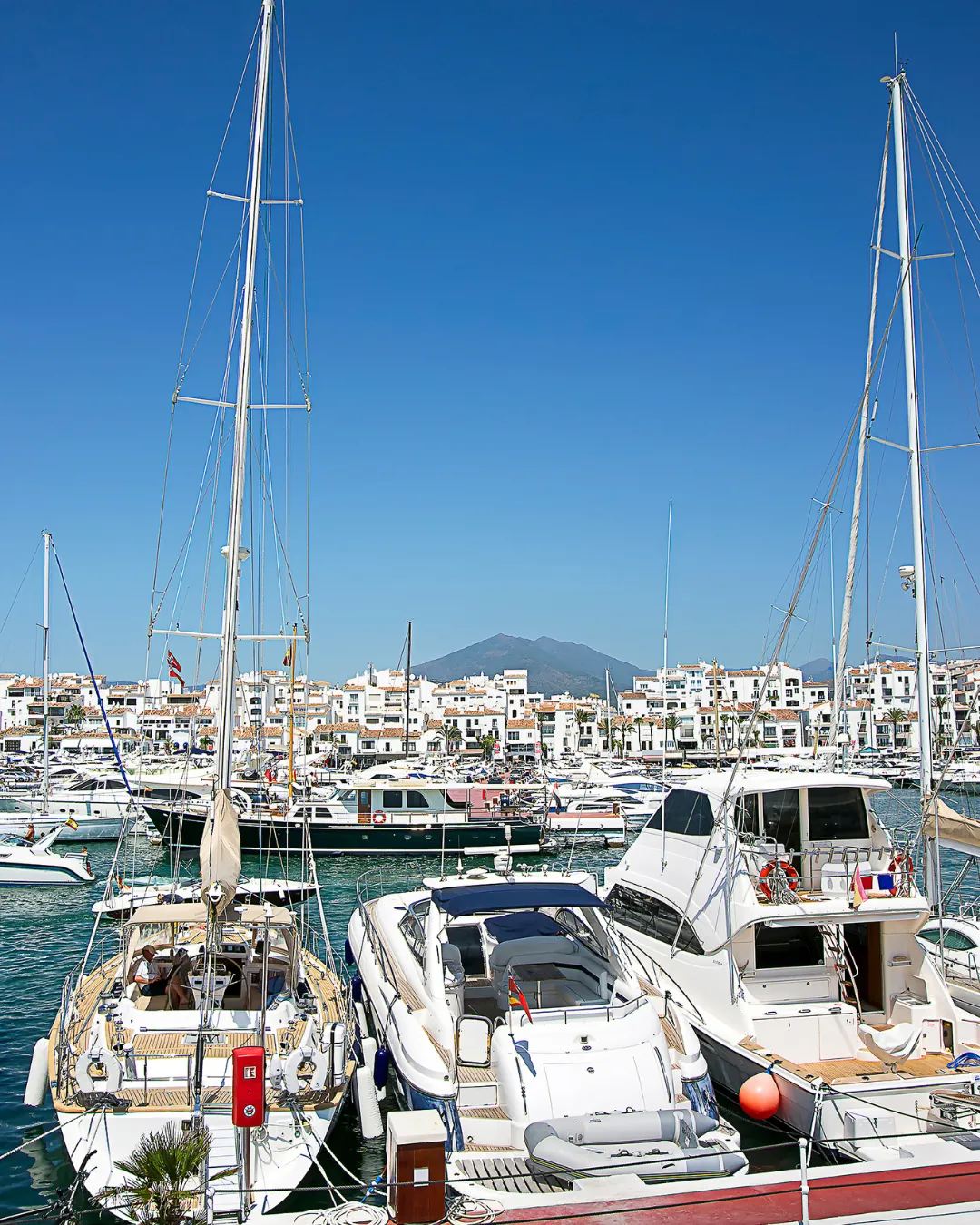
Every boat trip in town leaves from the Puerto Deportivo, the marina at the heart of the seafront, and it doubles as the best stretch of waterfront to be in the evening – our Puerto Deportivo guide covers the restaurants and the passenger ferry to Benalmádena that leaves from here too. On the water itself, choose between sunset cruises with drinks, fishing charters from around €60 and private boat hire, all covered in our boat trips guide, or a two-hour dolphin watching trip – common, striped and bottlenose dolphins are seen on most outings, with occasional whale sightings further out.
Things to do beyond the beach
For a full rundown beyond the headline two, things to do in Fuengirola covers the rest of the town's attractions, and dedicated guides narrow it down by trip type: things to do with kids covers Bioparc plus easy add-on day trips to Sea Life and Selwo Aventura, while Fuengirola for couples picks out the sunset from Castillo Sohail and a rooftop cocktail bar above the sea. For an evening with more local flavour, flamenco in Fuengirola covers two bookable venues, a local peña founded in 1982 and the free performances at the October fair, and Fuengirola's old town – a central square, a church, a tapas street and a fish alley – is best explored at dusk.
Where to eat and go out
Fish Alley in the old town is the place for seafood, backed by tapas bars in the centre and chiringuitos along the beach – our restaurants guide picks the honest options over the tourist traps. For markets, Fuengirola's markets covers all three weekly outdoor markets in detail – Tuesday's giant at the Recinto Ferial, a Saturday flea market of around 300 stalls in the same spot, and a smaller, calmer Sunday craft market on Calle Méndez Núñez – plus two indoor food halls and a Christmas market that runs through November. After dark, Fuengirola nightlife is real but low-key by coastal standards – live music most nights and clubs open until 07:00 in summer, without the intensity of Torremolinos or the price tag of Marbella.
Where to stay
Fuengirola splits into five distinct areas, from seafront hotels in the centre to quiet apartment blocks in the east – our where to stay guide matches each to the kind of trip you are planning, whether that is a short beach break or a longer, slower stay. Travelling with children, the strongest family resorts are mostly a short hop away in Mijas Costa, just outside town, with free kids' clubs, children's pools and direct beach access.
Day trips from Fuengirola
Fuengirola's location puts Gibraltar, Ronda, Granada and even Morocco within day-trip range, and our nine best day trips compares transport, cost and which ones are actually worth the journey. Most of these need a full day; if you only have a half-day free, keep it local. Closer to home, Mijas Pueblo is just 8 km away and 25 minutes by direct bus – a whitewashed hill village with sea views, a chapel carved into the rock and a miniatures museum, easily done without a car and combinable with a morning at Bioparc or the beach on the same day.
When to go
Fuengirola gets more than 300 days of sunshine a year and averages around 8 hours of sun a day. August is the hottest month at an average high of 31°C, with the sea at a comfortable 23°C, and the water stays swimmable from June through October – the full month-by-month picture, including why autumn is a genuinely good time to visit, is in our weather guide. Winter is mild rather than cold – even January averages 17°C – and is worth considering rather than avoiding: quieter, better value than summer, with Bioparc still open and a Christmas market running from late November, all covered in Fuengirola in winter.
How Fuengirola compares
Fuengirola's own comparison guide puts it best: cheaper than Marbella, better connected than Nerja, and less club-heavy than Torremolinos – see the full breakdown in Fuengirola vs Marbella, Benalmádena & more. It works best as a base if you want beach, castle and zoo by day and a quiet, affordable evening, rather than a nightlife-first trip. For culture and museums, Málaga is 40 minutes away by train; for yachts and Puerto Banús, glossier Marbella is a short drive further west.